
Surroundings and space
Living with the seasons
Adapting routines, food, activity and home to each season, in tune with the UK calendar.
Modern life can make every day feel much the same. The office is the same temperature all year round. Supermarkets sell strawberries in December and pumpkins in May. We keep the same routines whether it's light at 9pm or dark at 4pm.
But our bodies and minds still notice the seasons. Energy, mood, appetite and sleep often shift through the year. Living a little more in tune with the seasons can make each one easier and more enjoyable.
Why the seasons matter
Light is the strongest signal to the body's internal clock. In the UK, the difference between summer and winter daylight is huge, with around 16 to 17 hours on the longest day in the south of England and less than 8 on the shortest. It's no surprise that many of us feel more energetic in summer and want to hibernate in winter.
Routines that change with the seasons
Habit researcher Wendy Wood has found that habits are tied to cues in our surroundings, like times, places and routines. When the seasons change, those cues change too. Darker evenings, rainy weekends and colder mornings can knock good habits off course.
Planning a few seasonal routines can help. Rather than trying to keep exactly the same habits all year, adapt them to each season.
Spring
The days lengthen quickly, and many people feel a boost in energy.
- Get outside more. Take advantage of the lighter evenings with walks after work.
- Have a spring clear-out. It's a traditional time to declutter and freshen up your home.
- Start something new. Many people find spring a natural time to start new habits, like running, cycling or growing something.
- Eat seasonally. Look out for asparagus, rhubarb, spring greens, radishes and new potatoes.
Summer
Long days and warmer weather mean more time outdoors.
- Protect your sleep. Light evenings and early sunrises can disrupt sleep. Blackout blinds or an eye mask help.
- Stay cool. Keep blinds closed in the hottest part of the day, open windows in the cooler evening and drink plenty of water.
- Be sun safe. Use sunscreen and cover up in the strongest sunshine, usually between 11am and 3pm.
- Eat seasonally. Enjoy strawberries, raspberries, cherries, tomatoes, courgettes, peas and salad leaves.
Autumn
The days shorten, and many people feel a natural shift towards slowing down.
- Get morning light. As the days get shorter, getting outside early in the day becomes more important.
- Adjust your exercise. Plan for darker evenings, perhaps switching outdoor runs to mornings or lunchtimes.
- Prepare your home. Check heating, draught-proofing and bedding before the cold weather arrives.
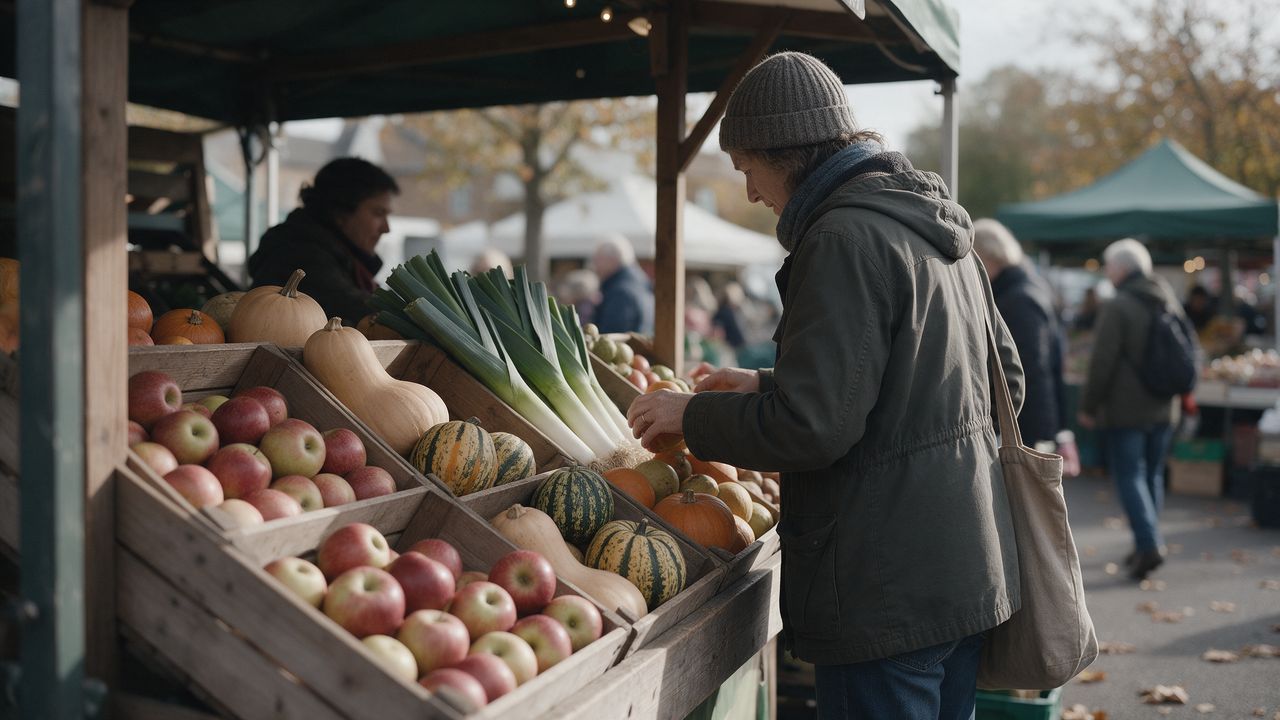
- Eat seasonally. Look for apples, pears, plums, blackberries, squash, pumpkins, mushrooms and root vegetables.
Winter
The darkest, coldest months can be the hardest, but they have their own pleasures.
- Get outside in daylight whenever you can, especially at lunchtime.
- Make your home cosy, with warm lighting, blankets and comfort.
- Keep moving, even if it's indoors.
- Consider vitamin D. In the UK, the government advises everyone to consider taking a 10 microgram supplement between October and March.
- Eat seasonally. Enjoy leeks, cabbage, kale, Brussels sprouts, parsnips and citrus fruits.
Notice what each season brings
Berkeley psychologist Dacher Keltner's research on awe suggests that taking time to notice the wonders of the natural world boosts positive emotions. Each season has its own: spring blossom, summer evenings, autumn leaves and frost on a winter morning. A short "awe walk", paying attention to the changes around you, can help you appreciate each one.
Cosy seasons
The Danish idea of hygge, all about warmth, comfort and simple pleasures, is especially associated with winter. But every season has its own version: picnics in summer, warm drinks and long walks in autumn, and cosy evenings in winter.
Mark the changes
Some people find it helps to mark the turning of the seasons with small rituals: a walk on the longest or shortest day, a seasonal meal with friends, or simply changing the bedding, the plants or the pictures in your home.
This season
Choose one routine to adapt for the season you're in now, and one seasonal food to cook this week.