
Surroundings and space
Eco-friendly swaps that also save you money
Everyday eco-friendly changes at home that also cut bills, from energy to food waste.
Living more sustainably can sometimes seem expensive. Electric cars, solar panels and organic food all come with price tags that many of us can't stretch to. But plenty of everyday changes that are better for the planet also save money, sometimes quite a lot.
Here are some of the easiest.
Figures and savings vary depending on your home, your energy tariff and how you live, so treat any numbers here as a rough guide.
Energy at home
Turn the thermostat down a notch. Turning your heating down by just one degree is often estimated to cut heating bills by around 10%. Most people don't notice the difference, especially with an extra jumper on.
Draught-proof. Gaps around doors, windows and floorboards let heat escape. Draught excluders, self-adhesive strips and sealing gaps are cheap and quick to fit.
Switch to LED bulbs. They use much less electricity than older bulbs and last far longer.
Turn appliances off at the wall. Many devices use power on standby. Switch off TVs, games consoles and chargers when you're not using them.
Wash at lower temperatures. Most clothes get clean at 30°C, and washing at a lower temperature uses less energy. Wait until you have a full load.
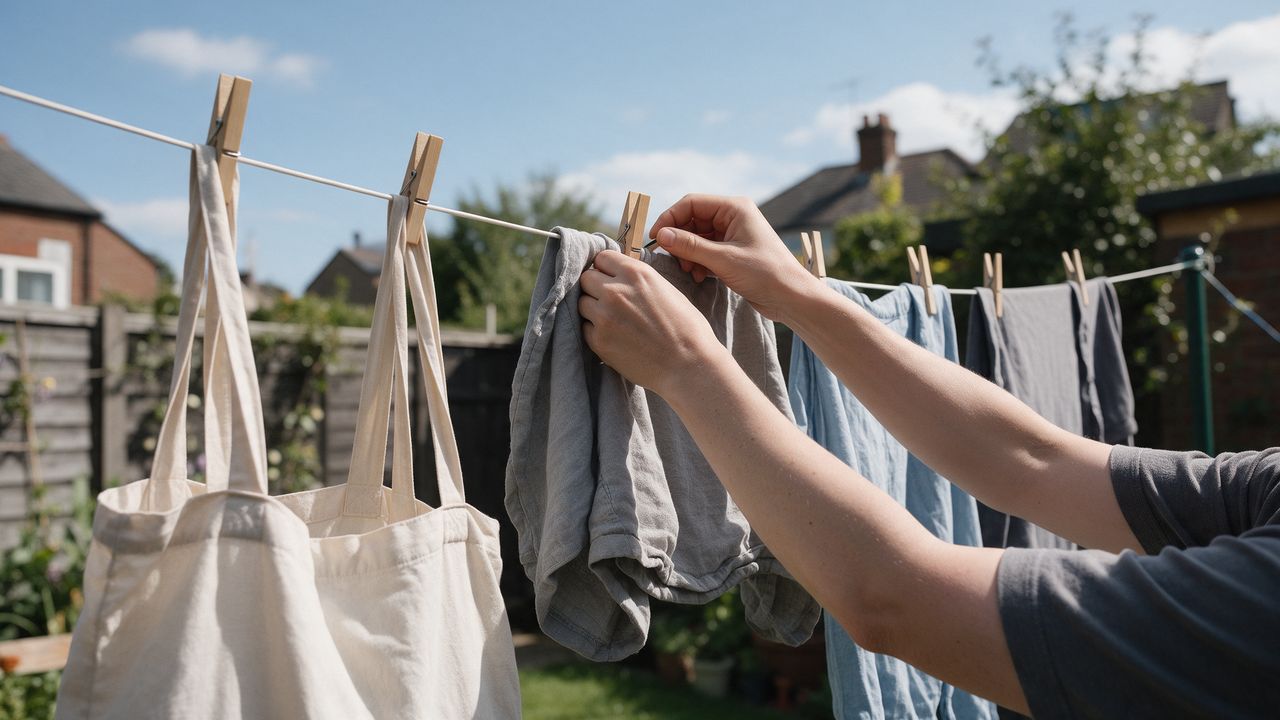
Air-dry clothes instead of using a tumble dryer, which is one of the most energy-hungry appliances in the home.
Fill the kettle only as much as you need.
Use a lid on pans, and match the pan size to the hob.
Food
Cut food waste. WRAP, the UK charity that runs the Love Food Hate Waste campaign, estimates that an average family of four could save around £1,000 a year by not wasting food.
- Plan meals before you shop, and make a list.
- Check what's in the fridge before you go.
- Store food properly so it lasts longer.
- Freeze leftovers and food close to its use-by date.
- Use up odds and ends in soups, stir-fries and omelettes.
Eat more plant-based meals. Beans, lentils and vegetables are often cheaper than meat and have a lower environmental impact. You don't need to go vegetarian. Swapping a few meals a week makes a difference.
Cook in batches. It saves energy and money, and you'll have meals ready for busy days.
Grow your own herbs. A pot of basil or mint on the windowsill costs a lot less than buying fresh herbs every week.
Water
- Take shorter showers.
- Turn the tap off while brushing your teeth.
- Fix dripping taps.
- If you're on a water meter, every saving helps your bill.
Getting around
- Walk or cycle for short journeys.
- Combine errands into one trip.
- Share lifts with colleagues or friends.
- Drive smoothly, keep tyres at the right pressure and remove roof boxes when you're not using them, all of which help with fuel economy.
Stuff
- Buy second-hand. Charity shops, online marketplaces and swap groups are great for clothes, furniture and children's things.
- Repair rather than replace. Repair cafés, where volunteers help fix broken items for free, are popping up across the UK.
- Borrow instead of buying. Ask a neighbour for that drill you'll only use once, or use a local library of things.
- Carry reusables. A refillable water bottle and coffee cup save money, and some cafés offer a discount.
- Buy less, but better. Good-quality items that last can be cheaper in the long run.
Just the right amount
The Swedish idea of lagom, "not too much, not too little, just right", fits sustainable living well. It's about using what you need, rather than going without.
Make it stick
Stanford behaviour scientist BJ Fogg suggests building new habits by attaching them to things you already do: "After I ___, I will ___". For example, "After I finish watching TV, I'll switch it off at the wall."
Habit researcher Wendy Wood suggests adding friction to habits you want to change. Keeping the tumble dryer door closed and a drying rack ready, or putting your reusable bag on the front door handle, makes the greener option the easier one.
This week
Choose three swaps from this list and try them this week. Draught-proofing a door, planning your meals and switching off at the wall are good places to start.
Where to get support The Energy Saving Trust has free, independent advice on saving energy at home. If you're struggling with energy bills, contact your supplier, Citizens Advice or the free advice line run by your local council or energy charity to check what help you might be entitled to.