
Surroundings and space
Why time near trees and water is good for you
The research on time near nature and water, with ideas for local green and blue breaks.
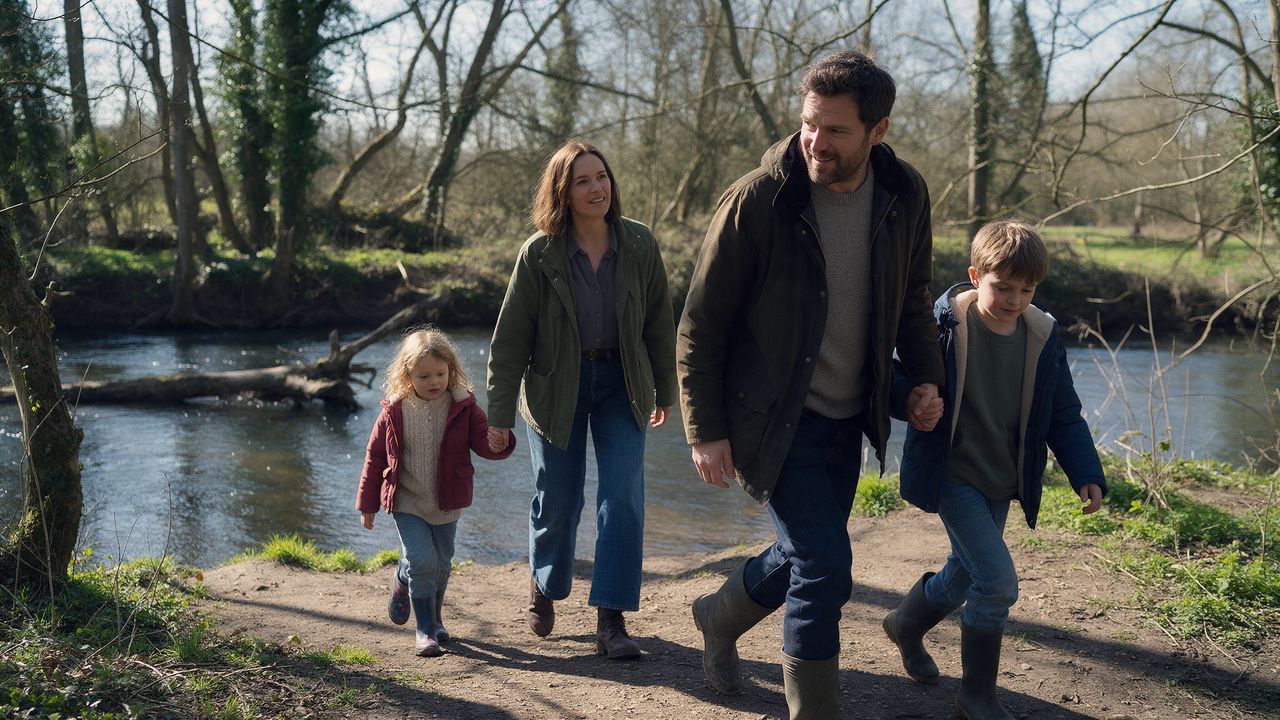
A walk through the woods on a Sunday morning. Sitting by a river at lunchtime. A paddle at the seaside. Feeding the ducks at the local park. Most of us know, instinctively, that these things make us feel better. Research increasingly backs that up.
"Green space" means parks, woods, gardens and countryside. "Blue space" means places with water: the sea, rivers, canals, lakes and even fountains. Both seem to be good for us.
How much time in nature?
In 2019, Mathew White and colleagues at the University of Exeter analysed survey data from nearly 20,000 people in England. They found that people who spent at least 120 minutes a week in nature were significantly more likely to report good health and high wellbeing than those who spent no time in nature. The benefits seemed to level off at around 200 to 300 minutes a week.
Importantly, it didn't matter whether people got their 120 minutes in one long trip or several short visits. It also applied across different groups, including older people and those with long-term health conditions.
The pull of water
Research on blue spaces suggests that being near water may have particular benefits. Studies by White and others have found that people living near the coast in England tend to report better health, especially in poorer communities. Many people describe time by water as especially calming and restorative.
If you're spending time in or near water, take care. Water can be colder and more dangerous than it looks. Check conditions, swim at lifeguarded beaches where you can and never swim alone in open water.
Forest bathing
You may have heard of shinrin-yoku, or "forest bathing", a practice that became popular in Japan in the 1980s. It simply means spending time in a forest, slowly and mindfully, taking in the sights, sounds and smells. Some studies have linked it with lower stress, but many of them are small, and the evidence isn't as strong as some enthusiasts suggest. The good news is that you don't need to call it anything special, or go to a particular forest, to benefit from a slow walk among trees.
Why nature helps
Researchers have several explanations, which probably work together:
- Restoration. Natural settings seem to let our attention rest, in a way that busy streets and screens don't.
- Stress reduction. Nature appears to help the body shift out of a stressed state.
- Movement. We tend to be more active when we're outdoors.
- Connection. Parks, beaches and paths are places we meet and spend time with other people.
- Awe. Berkeley psychologist Dacher Keltner's research shows that nature is a common source of awe, the feeling of wonder at something vast or beautiful, which has been linked with more positive emotions.
We underestimate it
Yale psychologist Laurie Santos often points out that we're poor at predicting what will make us happy. Nature is a good example. In a 2011 study, Elizabeth Nisbet and John Zelenski asked students to walk to a building on campus, either through a tunnel or along a route through nearby nature. Before setting off, people underestimated how much better the nature walk would make them feel.
So if you're deciding whether to go out for a walk in the park or stay in, you'll probably enjoy the walk more than you expect.
Ideas for green and blue breaks
- Walk part of your commute through a park or along a canal.
- Eat your lunch outside, near trees or water if you can.
- Plan a weekend walk somewhere green or by the coast.
- Join a local walking group, park run or conservation volunteering day.
- Sit in a garden, even for ten minutes.
- Grow something, whether it's an allotment or a pot of herbs.
- Find your nearest river, lake or canal path, and explore it.
Open-air living
The Norwegian idea of friluftsliv, or "open-air living", is about spending time outdoors in all weathers and seasons. It's less about adventure and more about making nature a normal part of everyday life.
This week
Aim for 120 minutes in green or blue space, in any combination of visits. Keep a note of where you went and how you felt afterwards.