
Surroundings and space
Making home a place where you can switch off
Zoning, lighting, tidy surfaces and comfort cues that help home feel restful after work.
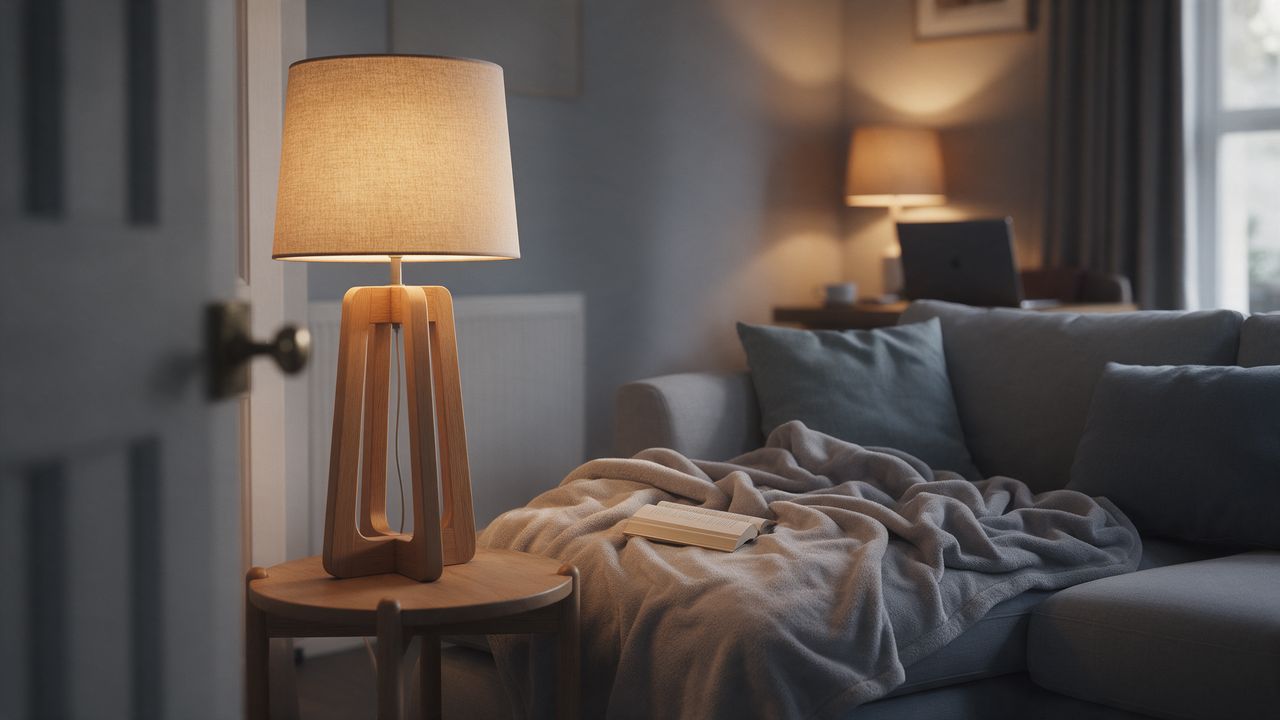
You walk through the front door after a long day and the first thing you see is a pile of washing, the laptop on the kitchen table and a stack of post you haven't opened. Your phone buzzes with a work email. The TV is on in the background. You sit down, but you don't feel like you've really come home.
Home should be somewhere you can recharge. But for many of us, especially those who work from home some or all of the time, it can feel like an extension of work, or a list of jobs waiting to be done.
Why your surroundings matter
Habit researcher Wendy Wood has found that our behaviour is shaped much more by our environment than we realise. We respond to cues around us: places, objects, times of day. If your laptop is always on the sofa, the sofa becomes linked with work. If your bedroom is full of laundry, it can feel less restful.
The good news is that small changes to your surroundings can make it easier to switch off.
Create zones
Even in a small home, it helps to give different areas different jobs.
- A work zone. If you work from home, keep work in one place, ideally not the bedroom or the sofa. At the end of the day, pack your laptop away, out of sight.
- A rest zone. A comfortable chair, a corner of the sofa or a reading nook that's only for relaxing.
- A sleep zone. Keep the bedroom for sleep and rest. Try to keep screens, work and clutter out.
If you don't have much space, a simple cue can mark the change. Covering a desk with a cloth, putting your laptop in a drawer or switching from a bright desk lamp to a soft table lamp tells your brain that work is over.
Light the evening differently
Bright, cool light keeps us alert. Soft, warm light helps us wind down. In the evening, switch off overhead lights and use lamps instead. Candles, fairy lights or dimmer switches can help create a calmer feel.
Sleep scientist Matthew Walker recommends dimming the lights in the hour or two before bed, to help your body prepare for sleep. He also suggests keeping the bedroom cool and dark.
Clear the surfaces
Clutter is a constant, low-level reminder of things to do. You don't need a minimalist home, but clearing a few key surfaces, like the kitchen table, your bedside table and the area by the front door, can make a big difference to how calm a room feels.
- Have a place for things that tend to pile up: post, keys, bags and shoes.
- Do a ten-minute tidy before you sit down for the evening.
- Deal with post in one go, once a week.
Add comfort cues
Small comforts make a space feel restful:
- a soft blanket or cushion
- a favourite mug
- a candle or diffuser with a scent you like
- music you love
- a few plants
- photos of people and places that make you happy
Create a transition ritual
The commute used to give people a natural break between work and home. If you work from home, or your commute is short, create your own transition.
- Change your clothes when you finish work.
- Go for a short walk around the block.
- Have a shower.
- Make a cup of tea and drink it somewhere you don't work.
- Put on a particular playlist.
Wood's research suggests that doing the same thing at the same time each day turns it into a habit, and the habit itself becomes the signal that work is over.
Make it cosy
The Danish idea of hygge is all about warmth, comfort, togetherness and simple pleasures. A hygge home is one where you can relax, eat good food, spend time with people you love and feel at ease. It doesn't require spending money, just a bit of attention to what makes you feel comfortable.
Set some digital boundaries
Turn off work notifications on your phone after hours, or use a "do not disturb" setting. If you can, keep your phone out of the bedroom at night.
This week
Choose one change: create a work zone and pack your laptop away each evening, swap the overhead light for a lamp after dinner, or clear one surface that always gets cluttered. Notice how your evenings feel.