
Surroundings and space
Coping with worry about the climate
Understanding climate distress and turning worry into meaningful, manageable action.
You read the headlines about floods, fires and record temperatures. You think about the world your children or grandchildren will grow up in. You feel guilty about the flight you took, the plastic in your shopping and the car on your drive. Sometimes it feels so huge that you just want to stop thinking about it.
Worry about climate change is very common. It's often called eco-anxiety or climate anxiety. For most people it's an understandable response to a real problem rather than a mental health condition. But it can still be painful, and it helps to have ways of coping.
You're not alone
In 2021, researchers led by Caroline Hickman at the University of Bath published a survey of 10,000 young people aged 16 to 25 in ten countries, including the UK, in The Lancet Planetary Health. Almost 60% said they were very or extremely worried about climate change. More than 45% said their feelings about climate change affected their daily life.
People of all ages feel it. Many describe a mix of fear, grief, anger, guilt, frustration and helplessness.
When worry becomes overwhelming
Some concern is a reasonable response, and it can motivate action. But if climate worry is affecting your sleep, your relationships or your ability to get on with daily life, or if you feel hopeless, it's worth getting support. Speaking to your GP or a counsellor is a good place to start.
How you think about it matters
Martin Seligman, the founder of positive psychology, found that people cope better with difficult situations when they don't see them as completely permanent, all-encompassing and hopeless. With climate change, that's a delicate balance. The problem is real and serious. But hopelessness can be paralysing, and it isn't the whole picture either. Many solutions already exist, and change is happening, even if it's not as fast as many people would like.
It can help to notice when your thoughts jump to "it's too late" or "nothing I do makes any difference", and remind yourself that there's still a great deal that can be done.
Turn worry into action
Yale psychologist Laurie Santos often points out that knowing something isn't the same as acting on it. Many people find that taking action, however small, eases climate anxiety more than anything else. It replaces helplessness with a sense of agency.
Actions can be personal, local or collective.
Personal. Small changes in your own life, like eating more plant-based meals, cutting food waste, walking or cycling more, or making your home more energy-efficient.
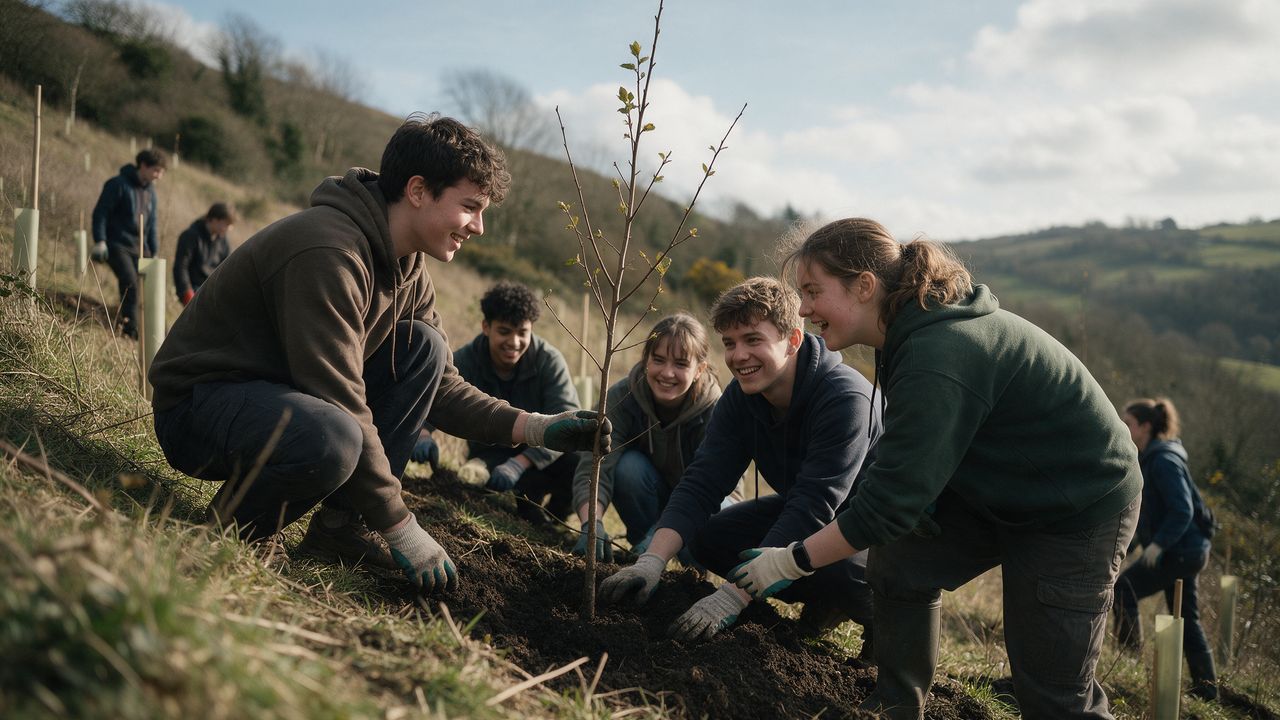
Local. Joining a community garden, a local climate group, a litter pick, a repair café or a tree-planting project.
Collective. Supporting organisations working on climate issues, writing to your MP, talking to your employer about their environmental policies, or voting with the climate in mind.
Many people find collective action especially helpful, because it connects them with others who care and shows them they're not facing the problem alone.
Look after yourself
- Limit doom-scrolling. Stay informed, but set limits on how much climate news you read, especially before bed.
- Talk about it. Sharing your feelings with friends, family or a climate support group can help you feel less alone.
- Spend time in nature. It can be restorative, and a reminder of what you care about.
- Let go of perfection. Nobody lives a perfectly sustainable life. Guilt about every choice can be exhausting. Focus on the changes that matter most and that you can keep up.
- Notice good news. There are positive stories about renewable energy, conservation and community action. Looking for them can help balance the picture.
Talking to children
Children often pick up on adult worries. Be honest, but age-appropriate. Focus on what people are doing to help, and on things you can do together, like planting flowers for bees, cutting food waste or walking to school.
This week
Choose one action that feels meaningful to you, whether personal, local or collective, and do it. Then notice how you feel.
Where to get support If climate worry is affecting your mental health, speak to your GP or refer yourself for NHS talking therapies in England. The Climate Psychology Alliance has resources on coping with climate distress. If you're struggling to cope, call Samaritans free on 116 123, any time.