
Surroundings and space
Getting to know your neighbourhood
Local connection, from knowing your neighbours to community spaces, and why it matters for health.
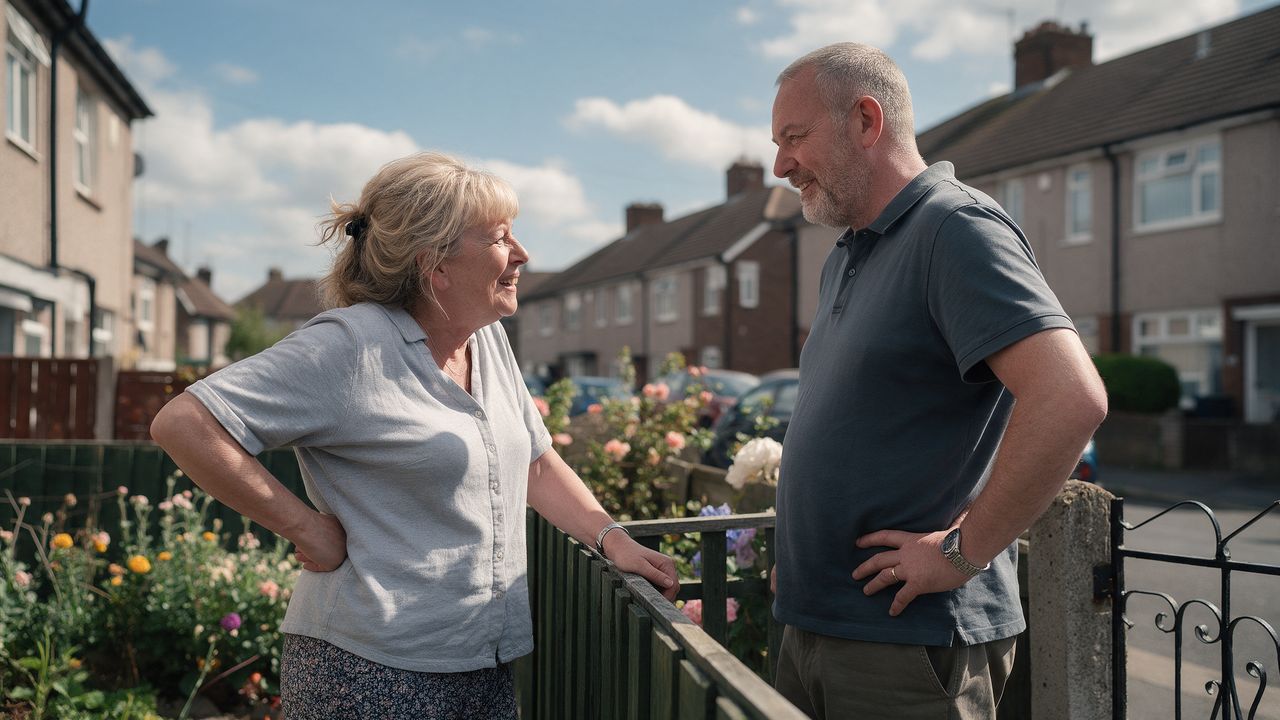
You've lived on your street for three years. You recognise the man with the spaniel, the woman who's always gardening and the family with the noisy trampoline. But you don't know their names. When a parcel gets delivered to the wrong house, you're not quite sure who to ask.
For many people, especially in cities, neighbours are near strangers. But knowing the people and places around you can make a real difference to how safe, supported and connected you feel.
Why neighbourhoods matter
Yale psychologist Laurie Santos often highlights social connection as one of the strongest predictors of happiness. Neighbours are a particular kind of connection. You might not be close friends, but they're the people you see most often, who can help in an emergency, keep an eye on your home or just say hello.
A sense of connection to where you live may be good for your health, too. In a 2014 study, Eric Kim and colleagues at the University of Michigan followed thousands of older adults in the US. Those who felt their neighbourhood was more socially cohesive, where people trusted and helped each other, had a lower risk of heart attack over four years, even after taking other factors into account.
Kindness as a social instinct
Berkeley psychologist Dacher Keltner has spent decades studying kindness and compassion. He argues that they're deep human instincts that help communities work. Small acts of kindness between neighbours, like taking in a parcel, sharing spare vegetables or checking on someone during a heatwave, build trust and connection over time.
Small ways to start
Say hello. It sounds obvious, but a smile and a greeting is where most neighbourly relationships start.
Learn names. If you don't know someone's name, ask. "I'm sorry, I don't think I know your name. I'm Sam." Most people are pleased to be asked.
Offer small favours. Take in a parcel, put out someone's bins or lend a ladder.
Ask for small favours. People often feel good about helping, and asking can be a great way to start a relationship.
Spend time outside your front door. Gardening at the front, sitting on the front step or washing the car gives natural chances to chat.
Get involved locally
- Use local spaces. Parks, libraries, cafés, markets and community centres are where neighbours meet.
- Join a local group. Residents' associations, community gardens, litter picks, allotment societies, walking groups and local sports clubs all bring neighbours together.
- Shop locally. Getting to know the people in your local shops and cafés builds familiarity.
- Volunteer. Local food banks, schools, charity shops and community projects often need help.
- Join a neighbourhood group online. Many streets and areas have local social media or messaging groups for sharing news, offers and recommendations. Use them to connect in real life too.
Bring people together
If you're feeling more ambitious, you could organise something yourself:
- A street party or get-together. In many areas, you can apply to your council to close a quiet residential street for a party. The Eden Project's Big Lunch initiative encourages people to share a meal with neighbours every June.
- A plant or book swap. A table outside your house with books or seedlings to swap.
- A street group chat, to share news and ask for help.
- A welcome for new neighbours. A card or a quick hello when someone moves in.
Look out for each other
Some neighbours may be older, living alone, disabled or isolated. A regular check-in, a chat over the fence or an offer of help with shopping can make a big difference, especially in bad weather or difficult times.
I am because we are
The Southern African idea of ubuntu, "I am because we are", sees people as fundamentally connected to the people around them. Our neighbourhoods are one of the most immediate places to put that into practice.
This week
Learn the name of one neighbour you don't already know, and find out about one local group or event in your area.