
Surroundings and space
Getting more daylight at home and at work
How daylight affects mood, energy and sleep, and how to arrange home and work to get more of it.
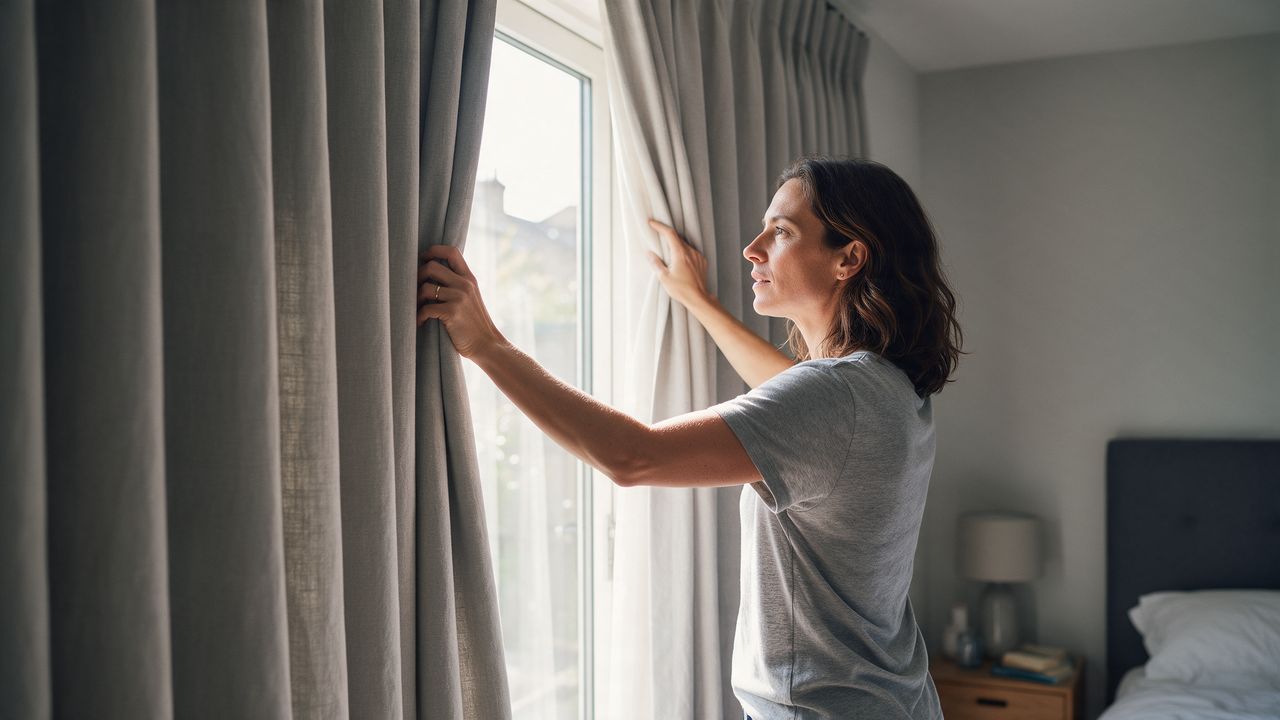
You wake up in a dim bedroom, eat breakfast under a kitchen light, commute in the dark, spend the day at a desk far from a window and come home after sunset. On some winter days, you might barely see daylight at all.
Most of us spend the vast majority of our time indoors. That has a bigger effect on how we feel than we might think.
Why daylight matters
Light is the strongest signal to the body's internal clock, which controls when we feel alert and when we feel sleepy. Daylight, especially in the morning, helps keep that clock on track. It also affects mood, energy and concentration.
Indoor light is much dimmer than daylight. Even on an overcast day, outdoor light is usually far brighter than typical office or home lighting. So being indoors all day can leave the body clock without the clear signals it needs.
Daylight and sleep
Sleep scientist Matthew Walker, at the University of California, Berkeley, explains that light at the right times helps us sleep better. Bright light in the morning helps set the body clock so we feel sleepy at the right time in the evening. Bright light late in the evening does the opposite, delaying the release of melatonin, the hormone that helps signal that it's time to sleep.
In a 2014 study, Mohamed Boubekri and colleagues compared office workers with and without windows in their workplace. Those with windows got more light exposure during the day, and slept an average of 46 minutes longer a night. They also reported better sleep quality and more physical activity.
Getting more daylight at home
- Open curtains and blinds as soon as you get up.
- Eat breakfast by a window, or outside if the weather's good.
- Keep windows clean. It's surprising how much light dirty glass can block.
- Use light, sheer curtains during the day rather than heavy ones.
- Use mirrors to reflect light further into a room.
- Choose light colours for walls and ceilings in darker rooms.
- Keep windowsills clear, so nothing blocks the light.
- Trim plants or trees outside that block your windows, if you can.
Getting more daylight at work
- Sit near a window if you have a choice. Ask if it's possible to move.
- Face the window, or sit side-on to it, rather than with your back to it. This also reduces glare on your screen.
- Go outside at lunchtime, even for ten minutes. It's usually the brightest part of the day.
- Take calls outside or by a window.
- Walk or cycle for part of your commute, especially in the morning.
- Take your breaks outdoors where possible.
Getting the timing right
Morning: get as much daylight as you can, ideally within an hour of waking. Even ten to fifteen minutes outside helps.
Daytime: keep getting light where you can, especially if you tend to feel sluggish in the afternoon.
Evening: do the opposite. Walker recommends dimming the lights in the hour or two before bed, switching to lamps instead of bright overhead lights, and cutting back on screens.
Night: keep the bedroom as dark as you can. Blackout blinds or an eye mask help, especially in summer.
In winter
In the UK, winter days are short, and many people go to work and come home in the dark. Getting outside at lunchtime becomes even more important. Some people find a light therapy box helpful in the darker months. Check with your GP first if you have an eye condition or bipolar disorder, or take medicines that make you sensitive to light.
Sleep comes first
Walker describes sleep as the foundation of almost every aspect of health. Getting the right light at the right times is one of the simplest ways to support it.
This week
Get outside within an hour of waking every day, for at least ten minutes. And move one thing, like your desk, your chair or your breakfast spot, closer to a window.