
Women's health
Getting a diagnosis for endometriosis or PCOS
Common symptoms, why diagnosis often takes years, and how to prepare for a GP appointment.
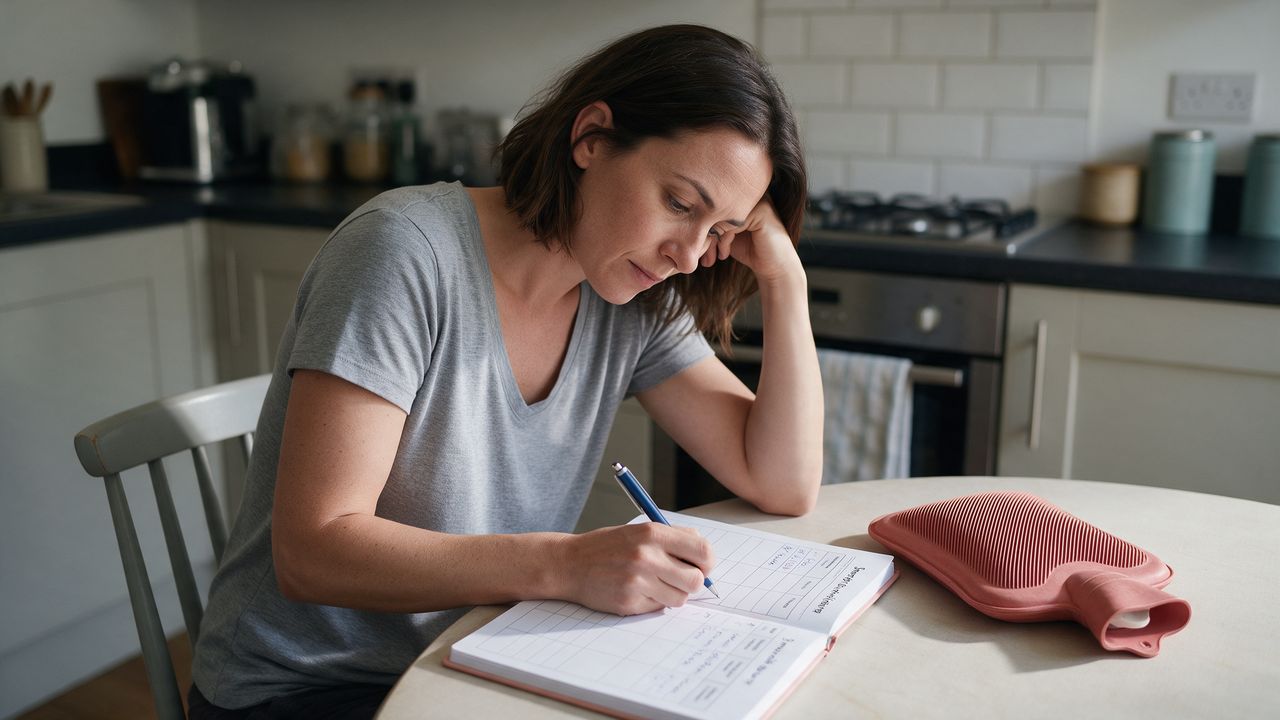
"Periods are meant to hurt." "Everyone gets irregular cycles." "Have you tried losing a bit of weight?" Many women with endometriosis or polycystic ovary syndrome (PCOS) hear comments like these for years before anyone takes their symptoms seriously.
Both conditions are common. Both can have a big impact on daily life, work, relationships and fertility. And both are often missed. Knowing the signs, and how to prepare for a GP appointment, can help you get answers sooner.
This article is general information, not medical advice. If you have symptoms, speak to your GP.
Endometriosis
Endometriosis is a condition where tissue similar to the lining of the womb grows in other places, such as the ovaries, fallopian tubes, bladder or bowel. Each month, this tissue reacts to the menstrual cycle in the same way as the womb lining, causing inflammation, pain and sometimes scar tissue.
It affects around 1 in 10 women and people assigned female at birth. According to Endometriosis UK, it takes an average of more than eight years to get a diagnosis.
Common symptoms
- period pain that stops you doing normal things, like going to work or school
- pain in the lower tummy or back, which may be worse during your period
- pain during or after sex
- pain when peeing or pooing during your period
- feeling sick, constipated or having diarrhoea, or blood in your pee, during your period
- difficulty getting pregnant
- heavy periods
How it's diagnosed
Endometriosis can be difficult to diagnose because symptoms vary and overlap with other conditions. An ultrasound or MRI scan can sometimes show it, but a normal scan doesn't rule it out. The most reliable way to confirm it is a laparoscopy, a small keyhole operation to look inside the pelvis. NICE guidance says that women with suspected endometriosis should be offered treatment for their symptoms while waiting for a diagnosis.
Polycystic ovary syndrome (PCOS)
PCOS is a condition that affects how the ovaries work. It's linked to hormone imbalances, including higher levels of hormones sometimes called "male" hormones, and to how the body uses insulin. The NHS estimates it affects around 1 in 10 women in the UK, though many don't know they have it.
Common symptoms
- irregular periods, or no periods at all
- difficulty getting pregnant
- excess hair growth on the face, chest, back or bottom
- thinning hair or hair loss from the head
- oily skin or acne
- weight gain or difficulty losing weight
How it's diagnosed
PCOS is usually diagnosed if you have at least two of these three: irregular or absent periods; signs of higher levels of "male" hormones, either from symptoms or a blood test; and polycystic ovaries seen on an ultrasound scan. Despite the name, you don't need to have cysts to have PCOS.
Preparing for your appointment
Yale psychologist Laurie Santos often points out that knowing something isn't the same as acting on it. Many women suspect something isn't right for years but find it hard to push for answers. Going in prepared can make a big difference.
Keep a symptom diary for two to three months. Note:
- the dates of your periods and how heavy they are
- when you have pain, where it is and how bad it is on a scale of 0 to 10
- other symptoms, such as bloating, tiredness or bowel problems
- how symptoms affect your daily life, such as days off work or cancelled plans
Write down your questions. For example: could this be endometriosis or PCOS? What tests can I have? Can I be referred to a gynaecologist?
Be clear about the impact. Say how your symptoms affect you. "I've had to take four days off work in the last three months because of pain" is more useful than "my periods are bad".
Ask for a referral if you're not getting answers. If treatments aren't working, or your symptoms are severe, you can ask to be referred to a gynaecologist or a specialist endometriosis centre.
You can ask for a second opinion. If you feel you're not being listened to, you can ask to see a different GP.
Start your diary today
Write down today's date, where you are in your cycle, and any symptoms you have. Do the same every day for the next two to three months, then take your diary to your GP.
Where to get support Speak to your GP about your symptoms. Endometriosis UK has a helpline and support groups, and Verity is a charity for people with PCOS. If you have sudden, severe pain in your lower tummy, call NHS 111 or 999.