
Women's health
Heart attack symptoms women are more likely to miss
How heart attack symptoms can differ in women, the risk factors and prevention.
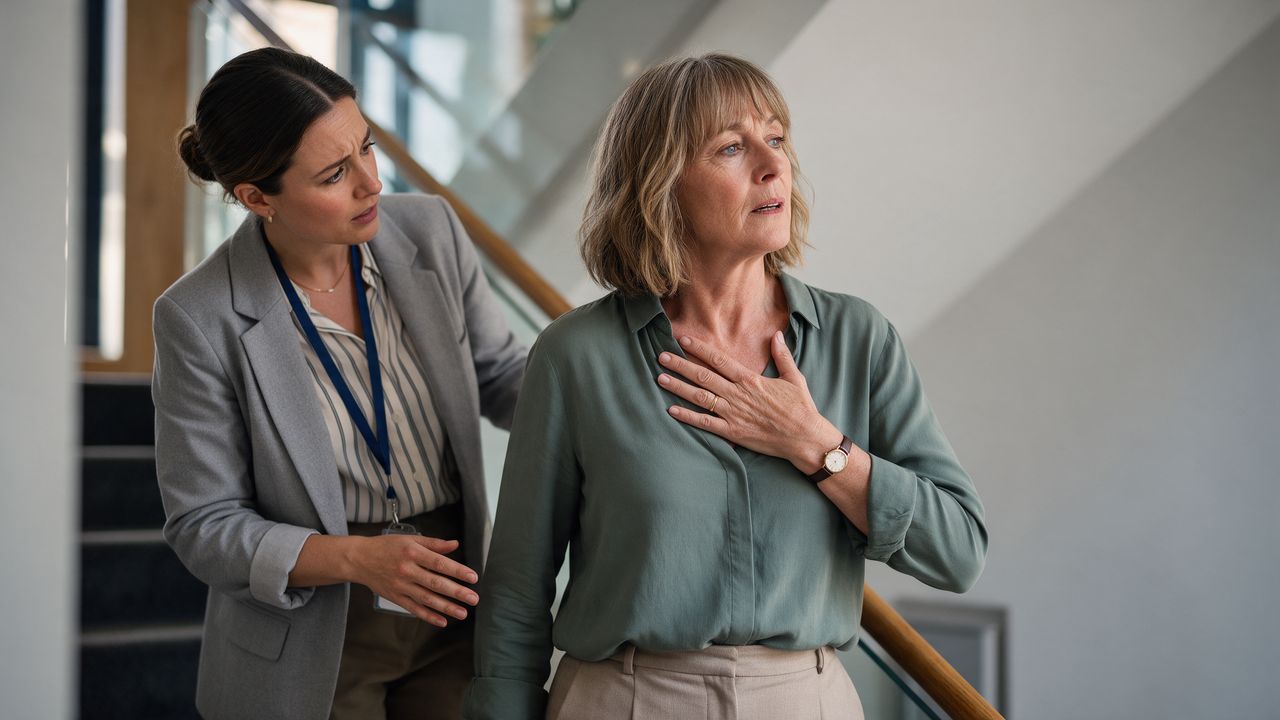
Emergency If you think you or someone else is having a heart attack, call 999 now. Don't wait to see if the symptoms pass.
Ask most people to picture a heart attack and they imagine a middle-aged man clutching his chest and collapsing. That image is part of the problem.
Heart disease is often thought of as a men's issue, but it isn't. According to the British Heart Foundation, coronary heart disease kills more than twice as many women in the UK as breast cancer. Yet women are more likely to delay getting help for heart attack symptoms, and more likely to be misdiagnosed when they do.
This article is general information, not medical advice.
Symptoms to know
The most common symptom of a heart attack, for both women and men, is chest pain or discomfort. It may feel like pressure, tightness, squeezing or heaviness. It can spread to the arms, neck, jaw, back or stomach.
Women are more likely than men to also have other symptoms, sometimes without obvious chest pain. These include:
- shortness of breath
- feeling sick or being sick
- pain in the back, jaw or between the shoulder blades
- sweating
- feeling light-headed or dizzy
- unusual tiredness or a feeling of general unwellness
- an overwhelming sense of anxiety
Because these symptoms are less dramatic, women sometimes put them down to indigestion, stress, flu or a pulled muscle, and wait.
Why women are more likely to be missed
Research funded by the British Heart Foundation has found that women having a heart attack are more likely than men to be given the wrong initial diagnosis. Some of this is down to the belief that heart attacks mainly happen to men. Some is because women's symptoms can be less "typical", and some because women themselves are more likely to wait before calling for help.
If you're worried, say clearly to the call handler or healthcare professional: "I think I might be having a heart attack."
Risk factors
Many risk factors are the same for women and men:
- high blood pressure
- high cholesterol
- diabetes
- smoking
- being physically inactive
- carrying extra weight, especially around the middle
- a family history of heart disease
Some risk factors are specific to women, or have a bigger effect in women:
- menopause, as falling oestrogen levels can affect the heart and blood vessels
- pregnancy complications, such as pre-eclampsia, gestational diabetes or high blood pressure during pregnancy, which increase the risk of heart disease later in life
- PCOS, which is linked with insulin resistance and type 2 diabetes
- autoimmune conditions such as lupus and rheumatoid arthritis, which are more common in women
If you've had any of these, mention it to your GP, even years later.
Younger women can also have a type of heart attack called spontaneous coronary artery dissection (SCAD), which is not caused by the usual risk factors. It's rare, but it's one more reason never to dismiss symptoms because of your age.
From knowing to doing
Yale psychologist Laurie Santos often points out that knowing something isn't the same as acting on it. Many women know the warning signs in theory, but in the moment, they hesitate. They don't want to cause a fuss, or they're busy looking after someone else.
Stanford behaviour scientist BJ Fogg says behaviour happens when motivation, ability and a prompt come together. In an emergency, the easiest action has to be obvious. Decide now: if I ever have these symptoms, I'll call 999 straight away. Tell the people close to you to do the same.
What you can do today
- Know your numbers. Get your blood pressure checked at a pharmacy or GP surgery, and ask about your cholesterol.
- If you're 40 to 74 in England, take up your free NHS Health Check.
- Tell your GP if you had complications in pregnancy.
- Share this list of symptoms with a woman you care about.
Where to get support Call 999 immediately if you think you're having a heart attack. For questions about heart health, the British Heart Foundation has a helpline on 0808 802 1234. Speak to your GP about your own risk.