
Women's health
Protecting your bones at every age
How oestrogen affects bone density, the role of strength training and calcium and vitamin D, and screening.
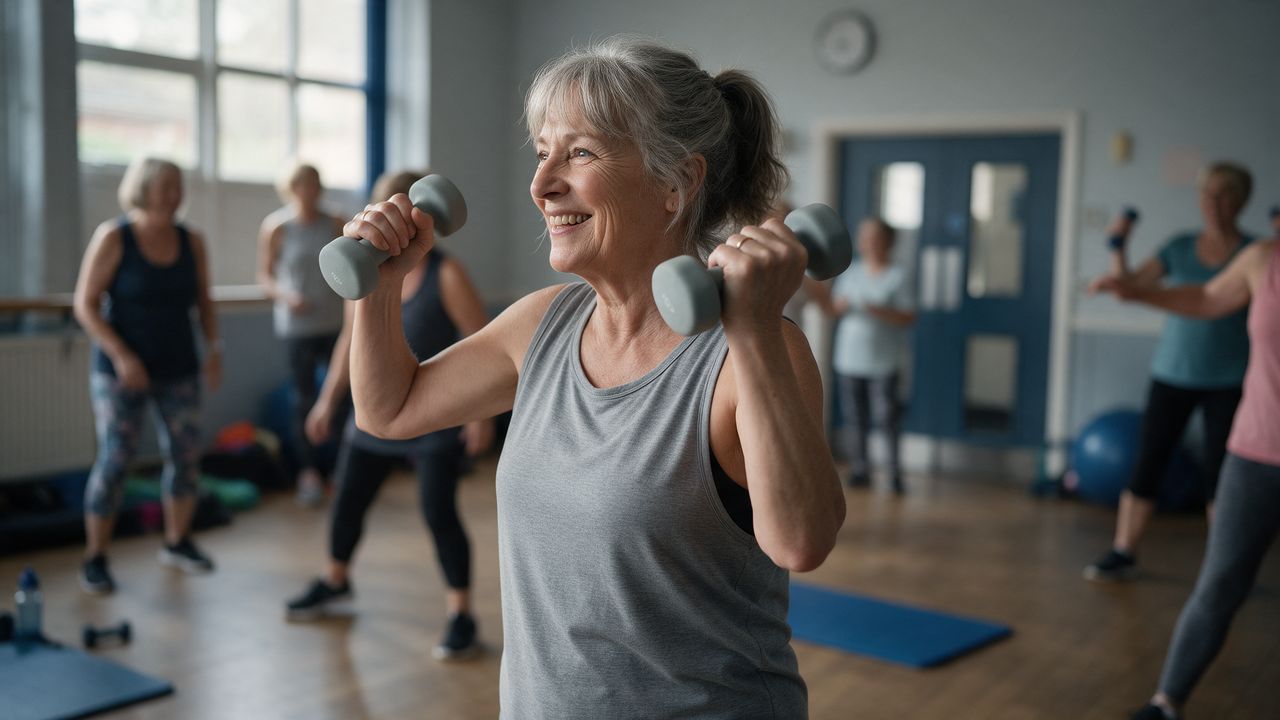
Most of us don't think about our bones until one breaks. But bone is living tissue, constantly being broken down and rebuilt, and how well we look after it through life makes a big difference to how strong it stays.
For women in particular, bone health is worth paying attention to. According to the Royal Osteoporosis Society, half of women over 50 will break a bone because of osteoporosis, compared with one in five men.
This article is general information, not medical advice. If you're concerned about your bone health, speak to your GP.
How bones change through life
Childhood to late twenties. Bones grow and become denser. Most people reach their peak bone mass, the strongest their bones will be, by around their late twenties or early thirties.
Thirties and forties. Bone density tends to stay fairly stable, then slowly starts to decline.
Menopause. Oestrogen helps protect bone. As levels fall around the menopause, bone loss speeds up. Women can lose a significant amount of bone density in the first few years after menopause.
Later life. Bone loss continues. When bones become fragile and more likely to break, the condition is called osteoporosis. It often causes no symptoms until a bone breaks, often in the wrist, hip or spine.
Who's at higher risk
Some things increase your risk of osteoporosis:
- going through the menopause early, before 45
- a family history of osteoporosis, especially a parent who broke a hip
- having a low body weight
- long-term use of steroid medicines
- smoking and drinking a lot of alcohol
- some medical conditions, such as rheumatoid arthritis, coeliac disease and conditions that affect hormones
- having had an eating disorder
What helps
Exercise
Bones respond to load. Two types of exercise are especially helpful.
Weight-bearing and impact exercise. Activities where you're on your feet and your bones take some impact, such as brisk walking, jogging, dancing, skipping and stair climbing.
Strength training. Lifting weights, using resistance bands or bodyweight exercises like squats and press-ups. Muscles pulling on bones helps to keep them strong.
In a 2017 Australian study called LIFTMOR, led by Belinda Beck at Griffith University, women after menopause with low bone density did supervised, high-intensity strength and impact training twice a week. After eight months, their bone density had improved, and the training was found to be safe under supervision. If you have osteoporosis, get advice from a physiotherapist before starting high-impact exercise.
Calcium
Calcium is the main mineral in bone. The NHS recommends adults have 700mg a day, which most people can get from a balanced diet. Good sources include milk, cheese and yoghurt, fortified plant milks, tofu, green leafy vegetables like kale, tinned fish with bones such as sardines, and bread made with fortified flour.
Vitamin D
Vitamin D helps your body absorb calcium. In the UK, the government advises everyone to consider taking a 10 microgram supplement each day during autumn and winter, when there isn't enough sunlight for our skin to make it. Some people are advised to take it all year round.
Other habits
Not smoking, keeping alcohol within 14 units a week, and keeping to a healthy weight all help protect your bones.
Make it routine
Stanford behaviour scientist BJ Fogg suggests attaching new habits to things you already do, using the formula "After I ___, I will ___". For example: "After I brush my teeth, I'll do 20 heel drops." To do a heel drop, rise onto your toes, then drop down onto your heels with a light thump.
Habit researcher Wendy Wood has found that habits stick best when they're tied to a stable cue, like the same time and place each day.
Getting checked
If you have risk factors, your GP can use a tool called FRAX to estimate your risk of breaking a bone. If needed, they can refer you for a DEXA scan, a quick, painless type of X-ray that measures bone density. Treatments are available if you're at high risk.
This week
Add one bone-friendly habit to your routine, such as a daily brisk walk, two strength sessions or a vitamin D supplement over the winter months.
Where to get support Speak to your GP if you have risk factors for osteoporosis, or if you've broken a bone from a minor fall. The Royal Osteoporosis Society has a free helpline staffed by specialist nurses on 0808 800 0035.