
Energy, sleep and recovery
Why two-minute bursts of movement count
The evidence for short activity breaks, with ten moves you can do at home or in the office.
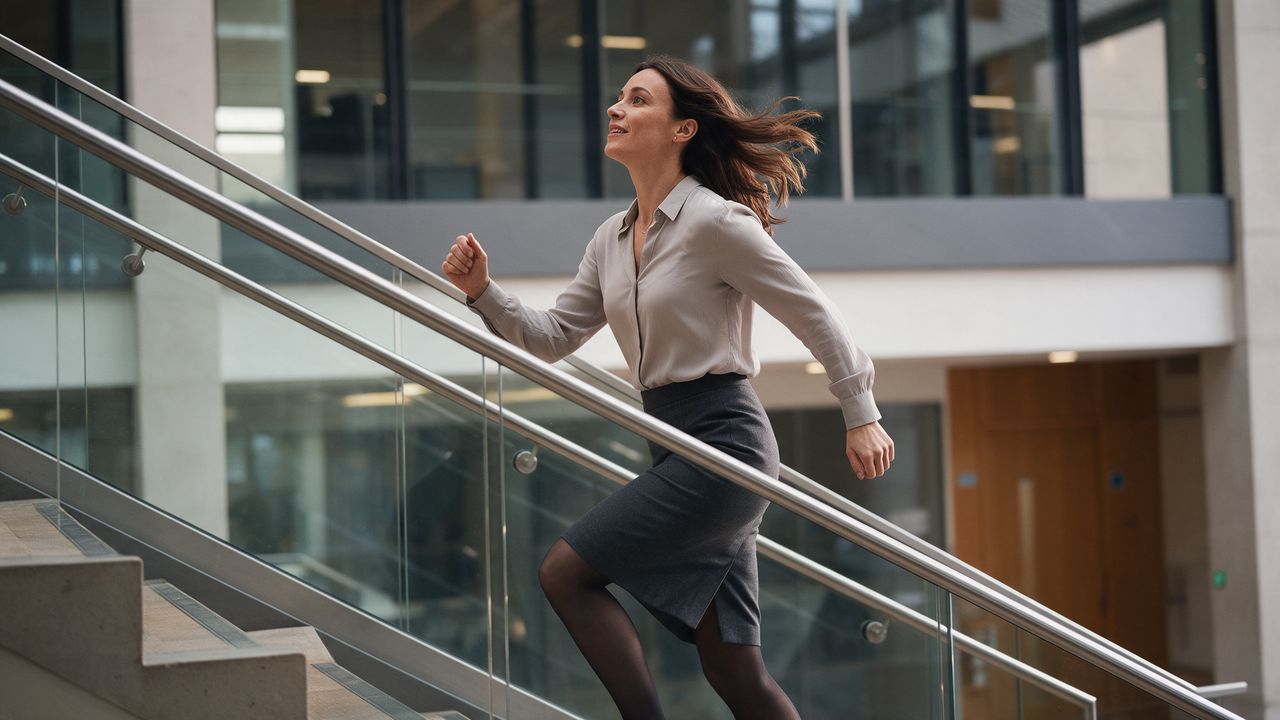
"I don't have time to exercise" is one of the most common reasons people give for not being more active. And it's understandable. Between work, family and everything else, finding an hour for the gym can feel impossible.
The good news is that you don't need an hour. Research increasingly shows that very short bursts of movement, sometimes called "exercise snacks", make a real difference.
Every minute counts
For years, health advice suggested that activity only counted if it lasted at least ten minutes at a time. In 2019, the UK Chief Medical Officers dropped that rule. Their guidance now says that any activity is better than none, and that every minute counts.
The overall target is still worth aiming for: at least 150 minutes of moderate activity a week, such as brisk walking or cycling, plus strength exercises on two days. But you can build up to it in small pieces.
What the research shows
In 2022, a team led by Emmanuel Stamatakis at the University of Sydney looked at data from over 25,000 adults in the UK Biobank study who said they didn't do any formal exercise. They wore activity trackers for a week. The researchers looked at short bursts of vigorous activity in everyday life, like hurrying for a bus, climbing stairs quickly or carrying heavy shopping.
People who did around three bursts of one to two minutes a day had a substantially lower risk of dying over the following years, particularly from heart disease, than those who did none. The study was observational, so it can't prove cause and effect, but the link was strong.
Other studies, including work by Martin Gibala's team at McMaster University in Canada, have found that several short bouts of brisk stair climbing spread through the day can improve fitness in previously inactive people.
Ten moves to try
Each of these takes one to two minutes. Do them at a pace that leaves you slightly out of breath.
- Walk up and down a flight of stairs briskly, two or three times.
- March on the spot, lifting your knees high.
- Sit-to-stand: stand up from a chair and sit back down, ten times, without using your hands.
- Wall press-ups: lean against a wall with your hands at shoulder height and push away, ten to fifteen times.
- Calf raises: rise up onto your toes and lower slowly, fifteen times.
- Squats: with feet hip-width apart, bend your knees as if sitting into a chair, then stand, ten times.
- Step-ups on the bottom stair, alternating legs, for one minute.
- Brisk walk to the end of the road and back.
- Dance to one song in the kitchen.
- Carry the shopping up in one trip instead of two.
If you have a health condition or haven't been active for a long time, start gently and build up. Check with your GP if you're unsure.
Attach it to your day
Stanford behaviour scientist BJ Fogg has found that habits are most likely to stick when they're very small and attached to something you already do. He suggests the formula "After I ___, I will ___".
- After I put the kettle on, I'll do ten sit-to-stands.
- After I finish a video call, I'll walk up and down the stairs twice.
- After I brush my teeth, I'll do fifteen calf raises.
Celebrate the small wins
Fogg also recommends marking each small success with a moment of celebration: a smile, a quiet "nice one", a fist pump. It might feel silly, but the good feeling helps the brain link the action with something positive, which makes it more likely you'll do it again.
Try it today
Choose three moves from the list and three anchors in your day. Do one burst after each anchor today, and tick them off as you go. That's three exercise snacks, and under ten minutes in total.
Where to get support If you have chest pain, feel faint or get unusually short of breath when you're active, stop and speak to your GP. If you have a heart condition or other long-term health problem, check with your GP or care team before increasing your activity.