
Energy, sleep and recovery
What to do on a rest day
Why gentle movement such as walking, mobility work and swimming speeds recovery better than sitting still.
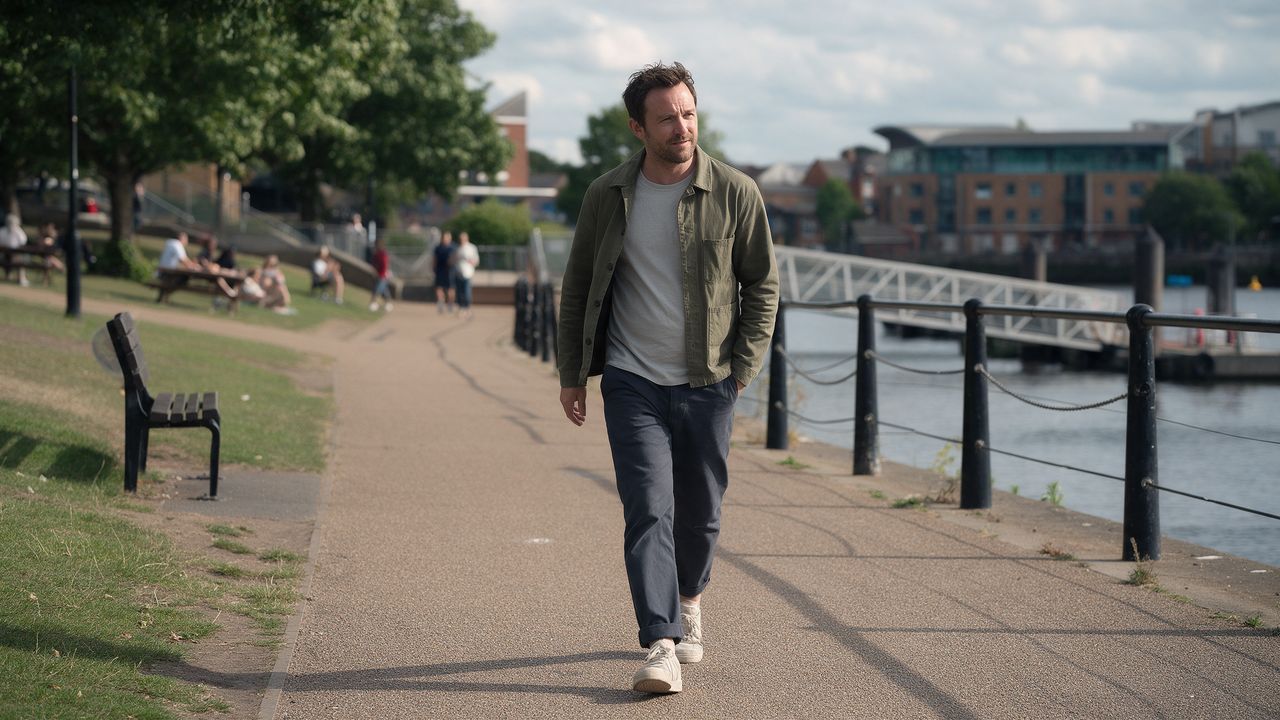
You've been training hard for a 10k, or you've finally got into a routine at the gym. Then your plan says "rest day", and you're not sure what to do with it. Lie on the sofa? Go for a gentle jog anyway? Feel guilty all day?
Rest days are part of getting fitter, not a break from it. Here's how to use them well.
Why rest matters
Exercise puts stress on your muscles, joints, heart and nervous system. That's the point: the body responds by adapting and getting stronger. But the adapting happens afterwards, while you recover. Without enough recovery, the stress keeps piling up, and instead of getting fitter you can end up tired, sore, injured or simply fed up.
Signs you might not be recovering enough include:
- feeling unusually tired or heavy-legged
- muscle soreness that lingers for days
- a higher resting heart rate than normal
- poor sleep
- getting ill more often
- losing motivation, or feeling irritable
Active recovery
On a rest day, you don't need to do nothing. Many people feel better doing something gentle. This is known as active recovery: light activity at an easy pace, well below the effort of your normal workouts.
Good options include:
- a walk, at a pace where you could chat easily
- an easy swim or a gentle cycle
- yoga or a mobility routine
- stretching and foam rolling
- gardening or a long wander round the shops
Gentle movement keeps blood flowing to tired muscles and can ease stiffness. The research on exactly how much it speeds recovery is mixed, but most people find it helps them feel less sore and more ready for their next session than a day spent entirely sitting down.
The key word is easy. If your "rest day" walk turns into a hilly power hike, it isn't a rest day.
Sleep is the main event
Sleep scientist Matthew Walker, at the University of California, Berkeley, describes sleep as the foundation of almost every aspect of health. It's also when much of the body's physical repair happens. Deep sleep in particular is linked with the release of growth hormone, which helps repair muscle tissue.
If you're training hard but sleeping badly, your body won't be able to recover properly, however careful you are with rest days. On rest days, an earlier night is worth more than any recovery gadget.
Eat and drink well
Your body needs fuel to repair itself. Don't cut back drastically on food on rest days. Include protein, such as eggs, fish, beans, dairy or meat, along with plenty of vegetables, fruit and wholegrains. Keep drinking regularly too.
Rest without guilt
Many people find rest days harder than training days. They worry about losing fitness or breaking a routine.
Habit researcher Wendy Wood has found that habits depend on stable cues, like a regular time and place, far more than on willpower. A planned rest day leaves those cues in place, so it belongs in your routine as much as any training session. You can even keep the habit going by doing something at the same time you'd normally train, like a short walk or stretch.
The Swedish idea of lagom, meaning "just the right amount", is a good way to think about it. Enough training to challenge you, enough rest to let you recover, and no need to overdo either.
How many rest days?
It depends on how hard and how often you train, your age and your fitness. As a rough guide, most people benefit from at least one or two rest or easy days a week. If you're doing hard sessions, like long runs, heavy lifting or high-intensity intervals, try to leave a day or two between them.
Plan your next rest day
Look at your week and choose your rest day in advance. Decide what you'll do: perhaps a 30-minute walk, ten minutes of stretching and an early night. Then treat it as seriously as you treat your training.
Where to get support If you have pain that doesn't improve with rest, or you feel exhausted for weeks despite cutting back, speak to your GP or a physiotherapist.