
Energy, sleep and recovery
Getting back to exercise after being ill
How to rebuild energy gradually after a cold, flu or COVID, and the signs you're doing too much.
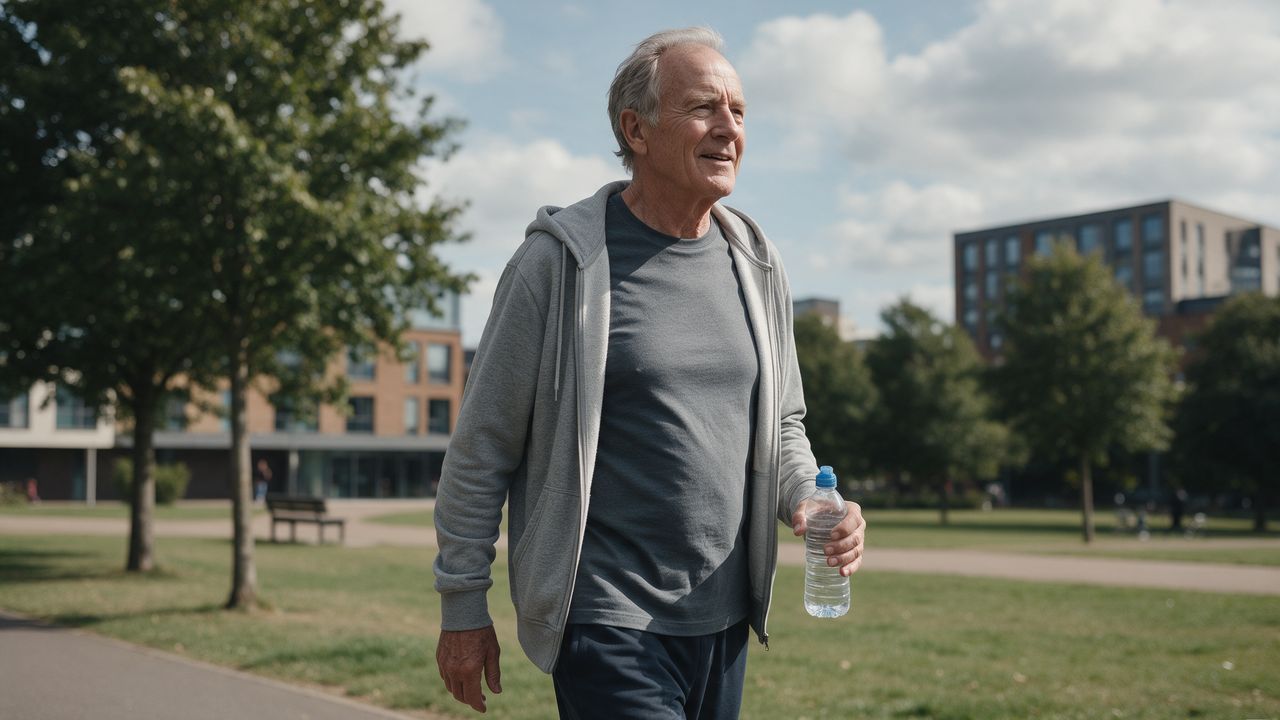
You've been flat out with flu for a week, or you've had a nasty bout of COVID. Now you're feeling better and keen to get back to your usual runs, classes or gym sessions. You set off at your normal pace, and ten minutes in you're exhausted, breathless and wondering what's happened to you.
Coming back too fast after illness is common, and it can set your recovery back. Here's how to return safely.
The "neck check"
For minor illnesses like colds, many sports doctors use a rough rule called the neck check.
- Symptoms above the neck only, such as a runny nose, sneezing or a mild sore throat: gentle exercise is usually fine if you feel up to it. Take it easier than usual.
- Symptoms below the neck, such as a chesty cough, aching muscles, an upset stomach or tight chest: rest until they've passed.
- A fever or feeling generally unwell: don't exercise. Exercising with a fever puts extra strain on the heart and, rarely, can lead to inflammation of the heart muscle.
It's a rule of thumb, not a medical test. If you're unsure, rest.
After a cold or flu
Once you're feeling better and your temperature has been normal for at least a day or two, start back gradually.
- First session: aim for about half your usual time and effort. A walk instead of a run, or a light gym session.
- Next few sessions: build up a little each time if you feel fine afterwards.
- Within one to two weeks: most people are back to normal after a short illness.
A useful check is how you feel the next day. If you're more tired than usual, or your symptoms return, ease off.
After COVID
Most people recover from COVID within a few weeks and can return to exercise in the same gradual way. But for some, recovery takes longer.
Some people develop long COVID, with symptoms lasting weeks or months. One of the most important is post-exertional malaise: a crash in energy and other symptoms that comes on hours or even a day or two after physical or mental effort, and can last for days.
If this happens to you, pushing through is likely to make things worse. NICE guidance advises against graded exercise programmes for people with ME/CFS, a condition with similar symptoms, and recommends pacing instead: staying within your limits, planning rest and only increasing activity very carefully. Speak to your GP, who can refer you to a long COVID service if needed.
Signs you're doing too much
Stop and rest if you notice:
- chest pain, or a racing or irregular heartbeat
- feeling faint or dizzy
- being much more breathless than you'd expect
- extreme tiredness that lasts into the next day
- your symptoms coming back
Chest pain or severe breathlessness needs urgent medical attention. Call 999.
Restarting without guilt
After a week or two off, it's easy to feel you've "lost" your fitness or broken a hard-won routine. Research by Phillippa Lally at University College London found that missing days made little difference to whether a habit stuck in the long run, and habit researcher Wendy Wood has shown that habits live in the cues around you. Going back to your usual time and place is the quickest way to restart, without judging yourself for the break.
Stanford behaviour scientist BJ Fogg says behaviours happen when motivation, ability and a prompt come together. After illness, your ability has dropped for a while. Rather than relying on willpower to push through, shrink the habit to match: a ten-minute walk at your usual exercise time, instead of a full session. You keep the routine going, and you can build it back up.
Be patient with yourself
The Japanese idea of wabi-sabi finds beauty in impermanence and imperfection. Bodies aren't machines. They have good weeks and bad weeks, and recovering from illness is part of that. Coming back slowly is still coming back.
Your plan
When you feel ready, plan your first session at half your usual time and effort. Then check in with yourself the next day before deciding on the next one.
Where to get support Speak to your GP if you're still breathless, exhausted or unwell several weeks after an illness, or if activity makes your symptoms much worse. For chest pain, severe breathlessness or fainting, call 999.