
Energy, sleep and recovery
What that extra glass of wine does to your sleep
How alcohol disrupts REM sleep and next-day energy, with tips for mindful drinking and alcohol-free swaps.
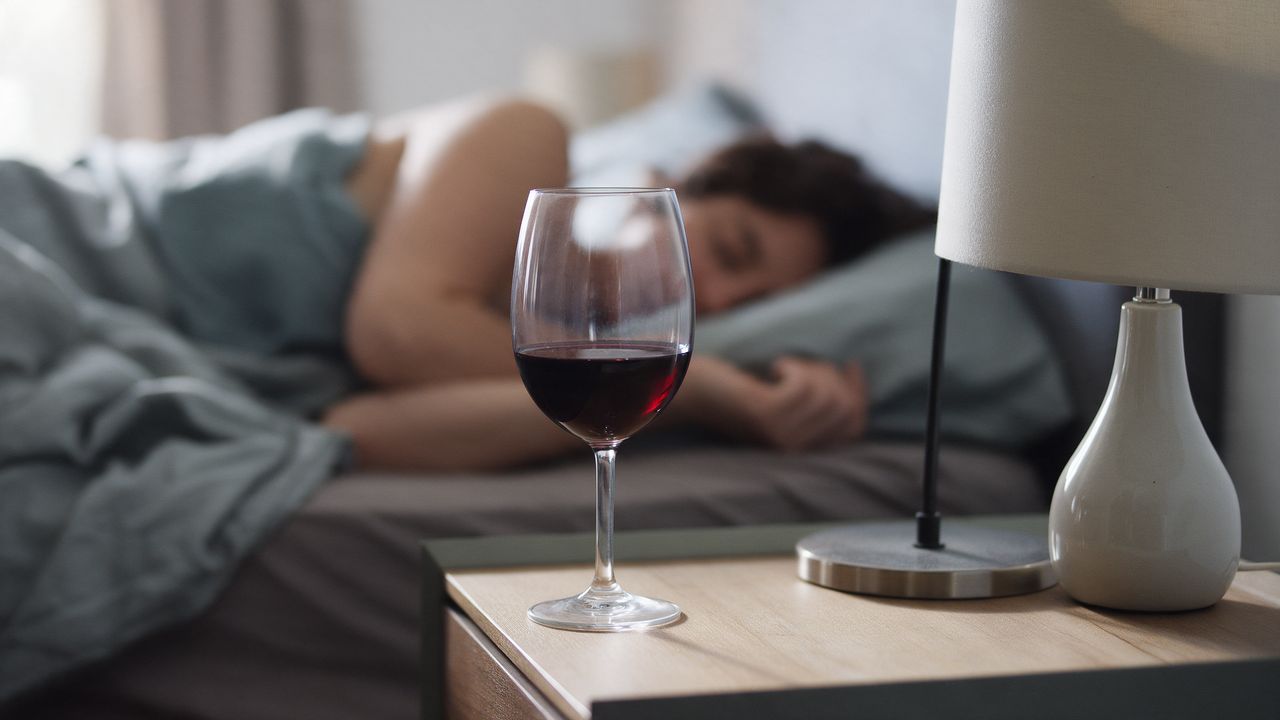
It's Friday. You've had a long week, and a glass of wine feels like the perfect way to unwind. Then a second one. You fall asleep quickly, which seems like a good sign. But at 3am you're awake, hot and thirsty, and when the alarm goes on Saturday morning you feel like you haven't slept at all.
Alcohol is one of the most common sleep aids people use, and one of the worst.
Why it feels like it helps
Alcohol is a sedative. It slows down activity in the brain, which is why it can make you feel relaxed and drowsy. Many people find they fall asleep faster after a drink or two.
But sedation isn't the same as sleep. Sleep scientist Matthew Walker, at the University of California, Berkeley, often makes this point: being knocked out is not the same as natural, restorative sleep.
What happens during the night
Your sleep is broken. As your body processes alcohol through the night, its sedative effect wears off and sleep becomes lighter and more fragmented. Many people wake in the second half of the night and struggle to get back to sleep, even if they don't remember waking.
You lose REM sleep. Alcohol suppresses REM sleep, the stage linked with dreaming, emotional processing and memory. Walker has highlighted how important REM is for regulating mood. Losing it can leave you more irritable and anxious the next day, which is partly what's behind "hangxiety".
You need the loo more. Alcohol makes your body produce more urine, so you're more likely to wake up needing the bathroom, and to wake up dehydrated.
You may snore more. Alcohol relaxes the muscles in the throat, which can make snoring and sleep apnoea worse.
The effects are stronger the more you drink, and the closer to bedtime you drink it.
How much is a lot?
The UK Chief Medical Officers advise that, to keep health risks low, adults shouldn't regularly drink more than 14 units a week, spread over three or more days, with several drink-free days.
That's less than many people think. A 175ml glass of 13% wine is about 2.3 units. A large 250ml glass is about 3.3 units. A pint of 4% beer is about 2.3 units. So two large glasses of wine on a Friday is getting on for half the weekly guideline.
Drinking with your sleep in mind
You don't have to stop drinking altogether to sleep better. The Swedish idea of lagom, meaning "just the right amount", is a useful way to think about it. Some practical ideas:
- Stop earlier. Try to finish your last drink at least three hours before bed, so your body has time to process some of it.
- Alternate. Have a glass of water or a soft drink between alcoholic ones.
- Choose smaller measures. Swap a large glass for a small one, or a pint for a half.
- Try alcohol-free options. Alcohol-free beers, wines and spirits have improved enormously in recent years.
- Have drink-free days. Pick specific days of the week and stick to them.
Add a little friction
Habit researcher Wendy Wood, at the University of Southern California, has found that changing your surroundings is often more effective than relying on willpower. If the wine rack is the first thing you see when you get home, it's an easy habit to fall into. Keep alcohol out of sight, don't keep an open bottle in the fridge, and stock up on drinks you enjoy that don't contain alcohol.
A one-week experiment
For one week, have no alcohol in the three hours before bed. Keep a short note each morning of how well you slept and how you feel. Most people notice a difference within a few nights.
Where to get support If you're worried about how much you're drinking, speak to your GP, or call Drinkline, the free national alcohol helpline, on 0300 123 1110. If you've been drinking heavily every day, don't stop suddenly without medical advice, as withdrawal can be dangerous.