
Energy, sleep and recovery
How your gut affects your mood
An accessible look at the microbiome, fibre and fermented foods, and their emerging links to mood and energy.
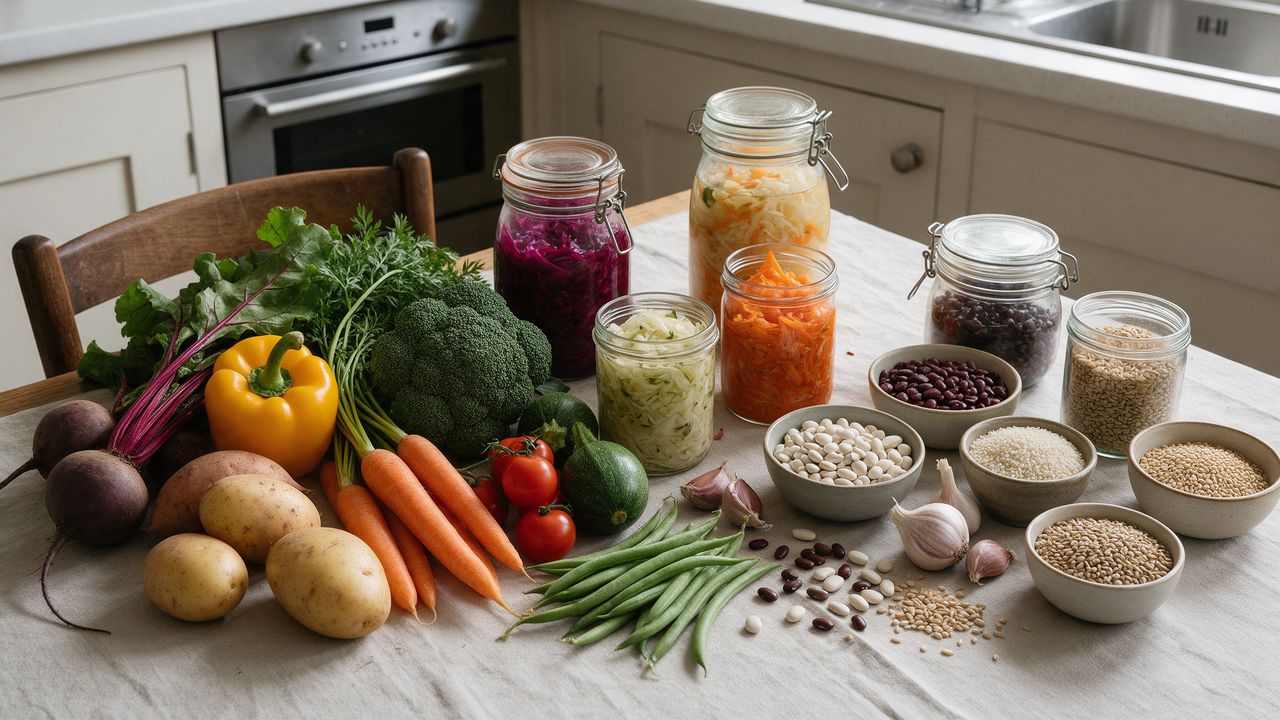
We talk about "gut feelings", feeling "sick with nerves" and having "butterflies in our stomach". It turns out these phrases are closer to the science than we might have thought.
Over the past twenty years or so, researchers have become increasingly interested in the connection between the gut and the brain. Some of the findings are genuinely exciting. Some have been overhyped. Here's where things stand.
How the gut and brain talk
The gut and the brain are in constant conversation. They're linked by the vagus nerve, a long nerve running from the brainstem to the abdomen, as well as by hormones and the immune system. The gut also has its own network of nerves, sometimes called the "second brain", which contains millions of nerve cells.
That's why stress can upset your stomach, and why digestive problems can affect how you feel.
Meet your microbiome
Your gut is home to trillions of bacteria and other microbes, together known as the gut microbiome. Many of them help us digest food, produce vitamins and keep the gut lining healthy. Some also produce substances that can influence the brain.
Much of the research on how the microbiome affects mood has been done in animals. Scientists such as John Cryan at University College Cork have shown that changing the gut bacteria in mice can change their behaviour, including how anxious they appear. Studies in humans are at an earlier stage, and it's not yet clear how much of this applies to us.
What diet studies show
There is some encouraging evidence from people. In 2017, a team led by Felice Jacka at Deakin University in Australia ran a trial called SMILES. Adults with depression were split into two groups: one got support to switch to a Mediterranean-style diet, rich in vegetables, fruit, wholegrains, beans, fish and olive oil, and the other got social support. After 12 weeks, the diet group showed significantly greater improvement in their symptoms. It was a small study, but it was one of the first of its kind.
Another study, published in 2021 by researchers at Stanford, found that people who ate more fermented foods, such as yoghurt, kefir, kimchi and sauerkraut, over ten weeks had a more diverse range of gut bacteria and lower levels of markers of inflammation.
What seems to help
The evidence isn't yet strong enough to say exactly which foods improve mood, but these habits are good for the gut and for general health:
- Eat more fibre. Fibre feeds helpful gut bacteria. UK guidance recommends 30g a day for adults, and most people eat much less.
- Eat a wide variety of plants. Data from the American Gut Project, a large citizen-science study, suggested that people who ate 30 or more different plant foods a week had more diverse gut bacteria than those who ate ten or fewer. Fruit, vegetables, wholegrains, beans, nuts, seeds, herbs and spices all count.
- Include fermented foods if you enjoy them.
- Limit ultra-processed foods, which tend to be low in fibre.
Sleep and the gut
Sleep scientist Matthew Walker has shown how strongly sleep affects appetite and food choices. When we're short of sleep, we tend to crave sugary, high-fat foods. So looking after your sleep is also a way of looking after your gut.
We're not great at predicting comfort
Yale psychologist Laurie Santos often points out that we mispredict what will make us feel better. When we're low, the foods that seem most comforting are often the ones that leave us feeling worse later. Treats are fine. It's simply worth noticing how different foods make you feel a few hours later, as well as in the moment.
Be wary of quick fixes
There are a lot of products promising to "fix your gut" and improve your mood, including expensive supplements and tests. Most haven't been well studied. Spend your money on fruit and vegetables first.
Try this week
Keep a tally of how many different plant foods you eat in a week. Don't change anything for the first few days, then see if you can add five new ones.
Where to get support If you have ongoing digestive problems, such as pain, bloating, changes in bowel habit or blood in your stool, speak to your GP. If you're struggling with low mood, talk to your GP too. Diet can help, but it's not a replacement for other support or treatment.