
Stress and mindfulness
The small, everyday things that wear you down
Identifies low-level environmental stressors and quick ways to reduce them.
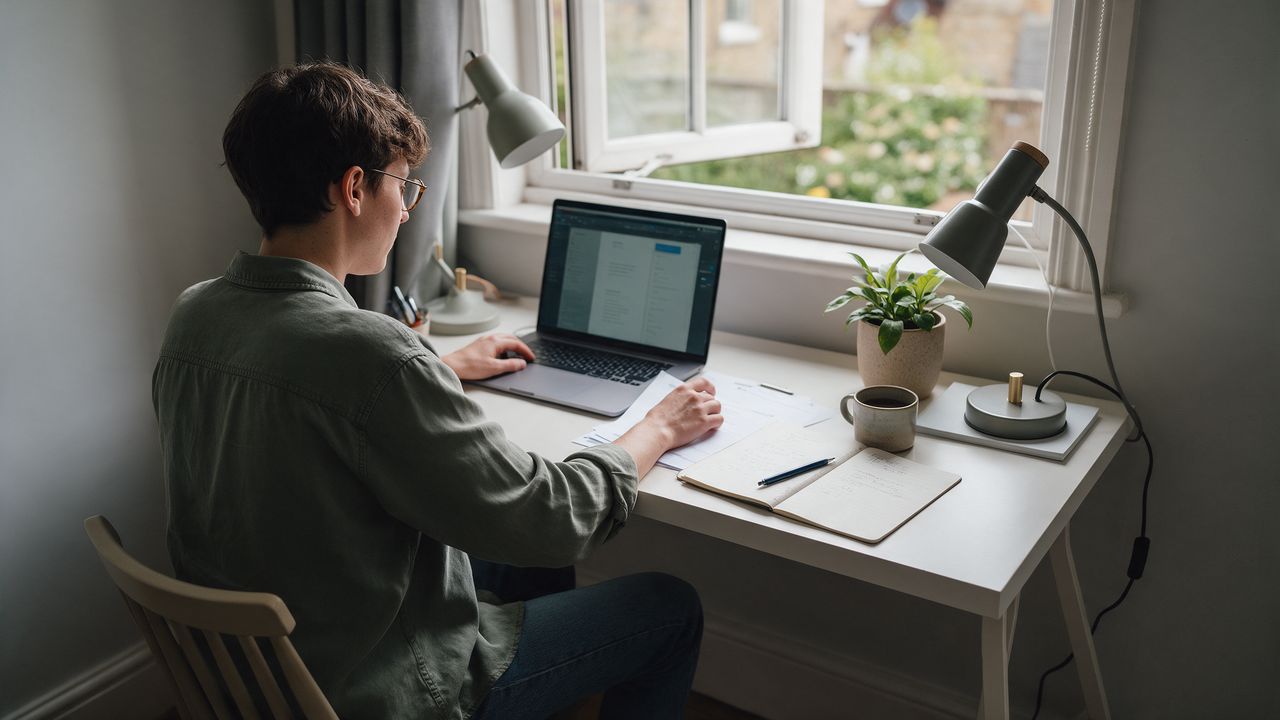
It's not one big thing. It's the creaky chair, the constant hum of the fridge, the notifications pinging on your phone, the pile of post on the side, the dripping tap, the overhead light that's slightly too bright and the drawer that never quite closes. On their own, none of them matter. Together, they quietly drain your energy.
Big stresses, like money worries, illness or a difficult boss, are easy to recognise. The small, everyday stresses in our surroundings are easier to miss. But they add up.
Why small things matter
Researchers sometimes call these "daily hassles". Our brains are constantly processing what's around us, even when we're not aware of it. Noise, mess, poor lighting and interruptions all demand a little attention and a little energy.
In a 2010 study, psychologists Darby Saxbe and Rena Repetti at UCLA asked couples to take video tours of their homes and describe them. Women who used words like "cluttered" or "unfinished" more often had patterns of the stress hormone cortisol through the day that were linked with higher stress. Women who described their homes as more restful had healthier patterns.
The good news is that small stresses often have small fixes.
The checklist
Go through this list and note anything that applies to your home or workspace.
Noise
- Constant background noise, like traffic, appliances or neighbours
- Noisy colleagues or open-plan office chatter
- TV or radio on in the background all day
- Phone notifications, pings and alerts
Light
- Harsh overhead lighting
- Too little natural light
- Screens too bright for the room
- Light coming into the bedroom at night
Clutter and mess
- Piles of paper, post or unopened letters
- Surfaces covered in things that don't belong there
- A hallway where you trip over shoes and bags
- A messy desk or work area
Comfort
- An uncomfortable chair or bed
- A room that's too hot, too cold or stuffy
- Clothes that are uncomfortable to wear
Unfinished jobs
- Small repairs you keep meaning to do
- Tasks you keep putting off, like a form to fill in or a call to make
- A to-do list that only lives in your head
Digital clutter
- An overflowing inbox
- Dozens of apps sending notifications
- A desktop covered in files
Quick fixes
Once you've noted a few, choose the easiest ones to fix first. Some ideas:
- Noise. Turn off the TV when you're not watching it. Use earplugs or noise-cancelling headphones. Switch off all non-essential phone notifications.
- Light. Use lamps instead of overhead lights in the evening. Move your desk nearer a window. Lower screen brightness. Try blackout blinds or an eye mask.
- Clutter. Clear one surface. Deal with the post in one sitting. Put a basket by the door for shoes and keys.
- Comfort. Adjust your chair. Open a window. Add a cushion or a blanket.
- Unfinished jobs. Write them all down, then tackle one small one a day.
Make the fixes stick
Habit researcher Wendy Wood has found that our environment shapes our behaviour more than we realise, and that habits form most reliably when they're tied to stable cues, like the same place and the same time.
She also suggests adding friction to habits you want to change. If your phone pings constantly, turning off notifications removes the cue entirely. If post piles up on the hall table, putting a recycling bin and a tray right next to it makes it easier to deal with immediately.
Make it cosy
The Danish idea of hygge is all about creating a warm, comfortable, welcoming atmosphere at home. Soft lighting, a tidy corner, a comfy chair and a blanket. Reducing everyday irritations is one way to bring more hygge into your life.
This week
Go through the checklist, choose three things you've noted and fix them. Notice whether your home or workspace feels any different.