
Men's health
Staying healthy in physical, shift and driving jobs
Health risks in manual, shift and on-the-road work, and practical habits for eating, moving and resting.
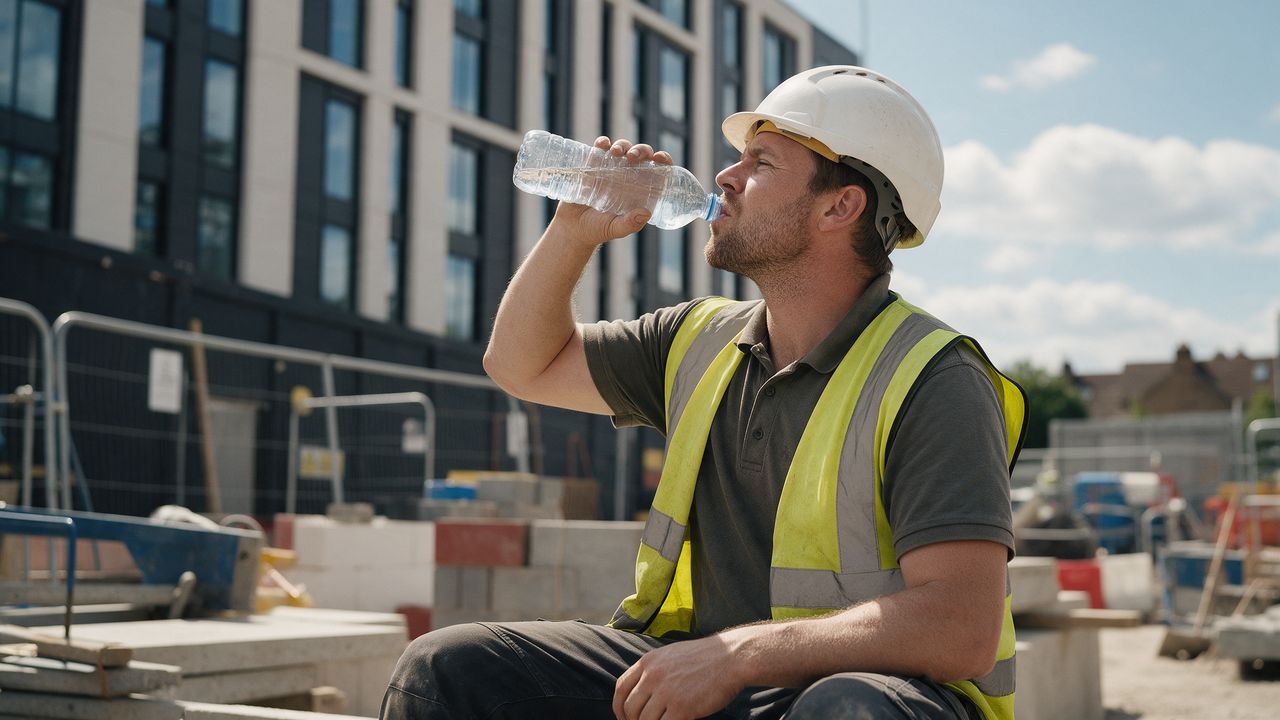
Lifting, carrying, climbing, driving long hours, working nights, working outdoors in all weathers. Millions of people in the UK, many of them men, do jobs that keep the country running and put real demands on their bodies.
Physical jobs can keep you fit. But they also come with particular health risks, and men in these jobs are often the least likely to get problems checked. Here's how to look after yourself.
Protect your back and joints
Musculoskeletal problems, affecting the back, joints and muscles, are one of the most common types of work-related ill health in the UK. Manual handling, repetitive movements and awkward postures all add up over the years.
The Health and Safety Executive uses a simple framework for lifting safely, known as TILE:
- Task: does it involve twisting, stooping, reaching or carrying long distances?
- Individual: are you capable of doing it safely? Do you have the right training?
- Load: is it heavy, awkward, unstable or hard to grip?
- Environment: is the floor uneven, slippery or cramped? Is the lighting poor?
Use lifting aids where you can. Keep loads close to your body, bend your knees, avoid twisting and get help with heavy or awkward items. Don't ignore early aches. They're easier to sort out before they become long-term problems.
Look after your hearing
Noise-induced hearing loss is permanent but preventable. If you have to raise your voice to talk to someone a couple of metres away, the noise is probably loud enough to damage your hearing over time. Wear hearing protection when it's provided, and ask for it if it isn't. Early signs of damage include ringing in the ears and finding conversations hard to follow in noisy places.
Protect your skin outdoors
Outdoor workers are exposed to far more sun than most people, which increases the risk of skin cancer. Wear a hat with a brim and neck flap, keep your top on, use high-factor sunscreen and take breaks in the shade when the sun is strongest. Check your skin regularly and see your GP about any mole that changes shape, size or colour.
If you drive for work
- Watch for tiredness. Driving tired is dangerous. If you feel sleepy, stop somewhere safe, have a caffeinated drink and take a short nap.
- Know about sleep apnoea. Loud snoring, waking gasping and feeling exhausted during the day can be signs of sleep apnoea. It's common, treatable, and must be reported to the DVLA if it causes excessive sleepiness. See your GP.
- Move when you stop. Long hours sitting are hard on your back and circulation. Get out and walk around at every break.
- Plan your food. Service-station food is often high in fat, salt and sugar. Pack food from home when you can, and keep water in the cab.
Sleep and shifts
Shift work and early starts make good sleep harder. Sleep scientist Matthew Walker recommends a consistent wake time to keep your body clock steady. On rotating shifts that's not always possible, but try to keep your sleep times as regular as you can within each run of shifts, use blackout blinds for daytime sleep and keep caffeine to the first half of a shift.
Build habits into the working day
Habit researcher Wendy Wood has found that habits form most easily when they're tied to stable cues, like the same place and time. Use the natural rhythm of your job: stretch your back at every tea break, drink a bottle of water at every stop, check your skin every Sunday.
Your mental health matters too
Physically demanding jobs often come with long hours, time away from home and a culture where talking about feelings isn't the norm. In the UK, men working in construction have a much higher rate of suicide than the national average. If you're struggling, you're not alone, and help is available.
This week
Pick one risk from this article that applies to your job, and make one change. It could be wearing ear protection every time, packing lunch for the road or booking a GP appointment for that ache you've been ignoring.
Where to get support Speak to your GP about any ongoing pain, hearing problems, skin changes or tiredness. The Lighthouse Construction Industry Charity runs a 24-hour helpline on 0345 605 1956. Samaritans are available free on 116 123, any time, and CALM on 0800 58 58 58, 5pm to midnight every day.