
Relationships, meaning and purpose
What will give you purpose after you retire?
The emotional side of retirement planning: identity, routine, connection and purpose.
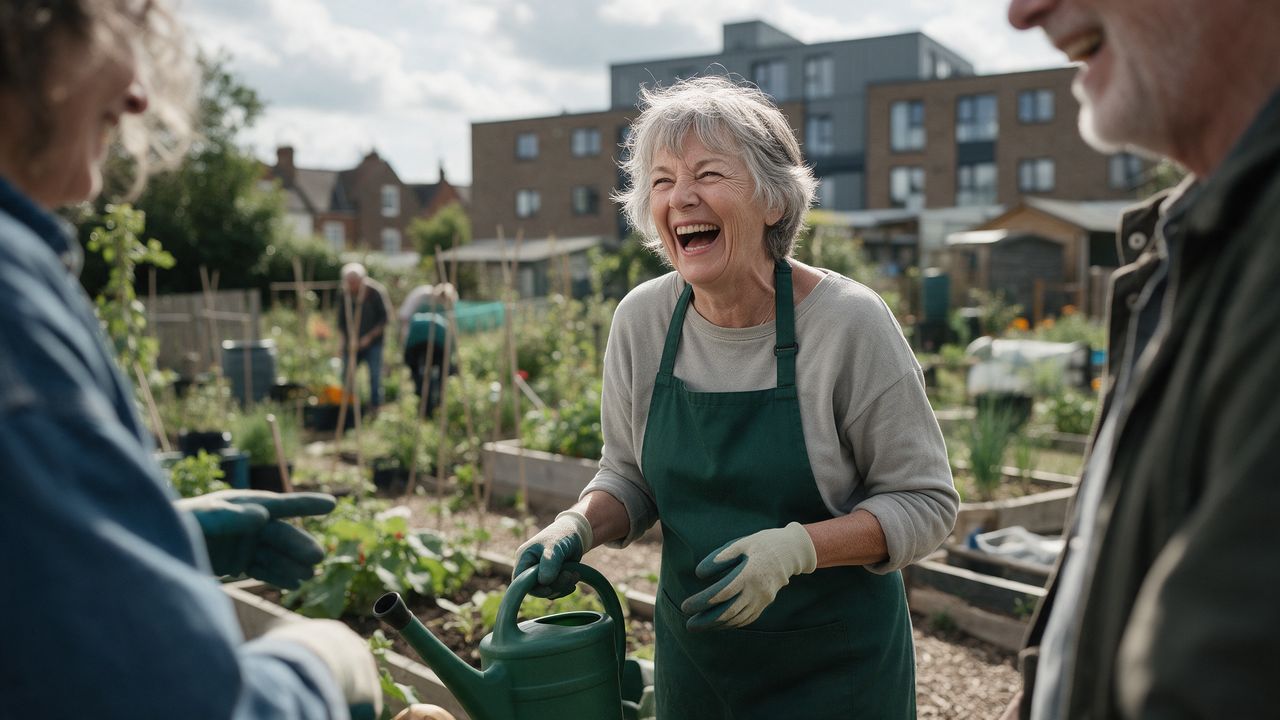
For years, you've looked forward to it. No alarm clock, no commute, no meetings. Time for the garden, the grandchildren and the holidays you never had time to take. Then it arrives, and after a few happy months, you notice something unexpected. The days feel long. You miss your colleagues. You're not quite sure who you are any more.
Most retirement planning focuses on money, and money matters. But many people find the bigger challenge is what to do with their time, and how to keep a sense of purpose when work is no longer part of their life.
The stages of retirement
In the 1970s, gerontologist Robert Atchley described several phases many people go through after retiring:
- Honeymoon: a period of freedom, rest and doing all the things there wasn't time for.
- Disenchantment: as the novelty fades, some people feel bored, lonely or low.
- Reorientation: working out a new routine and new sources of meaning.
- Stability: settling into a satisfying way of life.
Not everyone goes through every stage, and they don't happen on a fixed timetable. But knowing that a dip after the honeymoon is common can make it less alarming.
Work gives us more than money
Work often provides things we don't notice until they're gone:
- a routine and a reason to get up in the morning
- a sense of identity: "I'm a nurse", "I'm an engineer"
- social contact, often every day
- a sense of achievement and being useful
- structure to the week
Martin Seligman, the founder of positive psychology, lists meaning as one of five core parts of wellbeing: the feeling of belonging to and serving something bigger than yourself. For many people, work is a major source of it. Retirement means finding meaning elsewhere.
Don't overestimate the switch
Psychologist Daniel Kahneman described the focusing illusion with a memorable line: "Nothing in life is as important as you think it is, while you are thinking about it." Before retirement, people often imagine it will transform their happiness, for better or worse. In reality, life after work tends to feel less dramatically different than we expect. The things that shape our wellbeing, such as relationships, health, purpose and daily routines, carry on mattering just as much.
That's why it's worth planning for those things, not just for the leaving date.
A reason for being
The Japanese idea of ikigai, often translated as "a reason for being", is usually found in ordinary life rather than one grand purpose. In Japan, many older people describe their ikigai as their garden, their grandchildren, their friends or a hobby they've practised for decades. Purpose in retirement doesn't have to be impressive. It just has to matter to you.
Ideas for finding purpose
Keep learning. The u3a, formerly the University of the Third Age, runs thousands of local groups across the UK where retired people share and learn skills, from languages to walking to philosophy.
Volunteer. Charities, schools, hospitals, museums and community groups rely on volunteers. Many people find volunteering gives them the structure, contact and sense of usefulness they used to get from work.
Mentor or advise. Your years of experience are valuable. Mentoring younger people, or advising a small business or charity, can be very rewarding.
Work differently. Some people take on part-time work, consultancy or a completely different job they always wanted to try. Easing out of work gradually can help.
Build new routines. A regular swim, a weekly class or a daily walk with a friend gives shape to the week.
Invest in relationships. Make time for friends, family and new connections. Retirement can be lonely, so it helps to be deliberate about staying in touch.
Look after your health. Staying active, eating well and keeping up with health checks helps you enjoy retirement for longer.
If you're still working
Start thinking about this now, alongside your financial planning. Ask yourself:
- What will I miss most about work?
- What would I like more of in my life?
- Who would I like to spend more time with?
- What have I always wanted to learn or do?
This week
Write down three things that give your life meaning now, outside of work. Then think about how you could build on one of them in retirement.
Where to get support MoneyHelper's free Pension Wise service offers guidance on pension options if you're 50 or over with a defined contribution pension. Age UK's advice line, 0800 678 1602, can help with questions about later life. If you're feeling lonely or low, speak to your GP, or call Silver Line free on 0800 4 70 80 90, any time.