
Relationships, meaning and purpose
Ikigai and finding a reason to get up in the morning
An accessible introduction to ikigai, with a reflection exercise.
You've probably seen the diagram. Four overlapping circles: what you love, what you're good at, what the world needs and what you can be paid for. In the middle, where they all meet, sits the word ikigai. It's shared all over business social media as the secret to a meaningful career.
It's a nice diagram. But it isn't really ikigai.
What ikigai means in Japan
Ikigai combines iki, meaning life, and gai, roughly meaning worth or value. It's usually translated as "a reason for being" or "what makes life worth living".
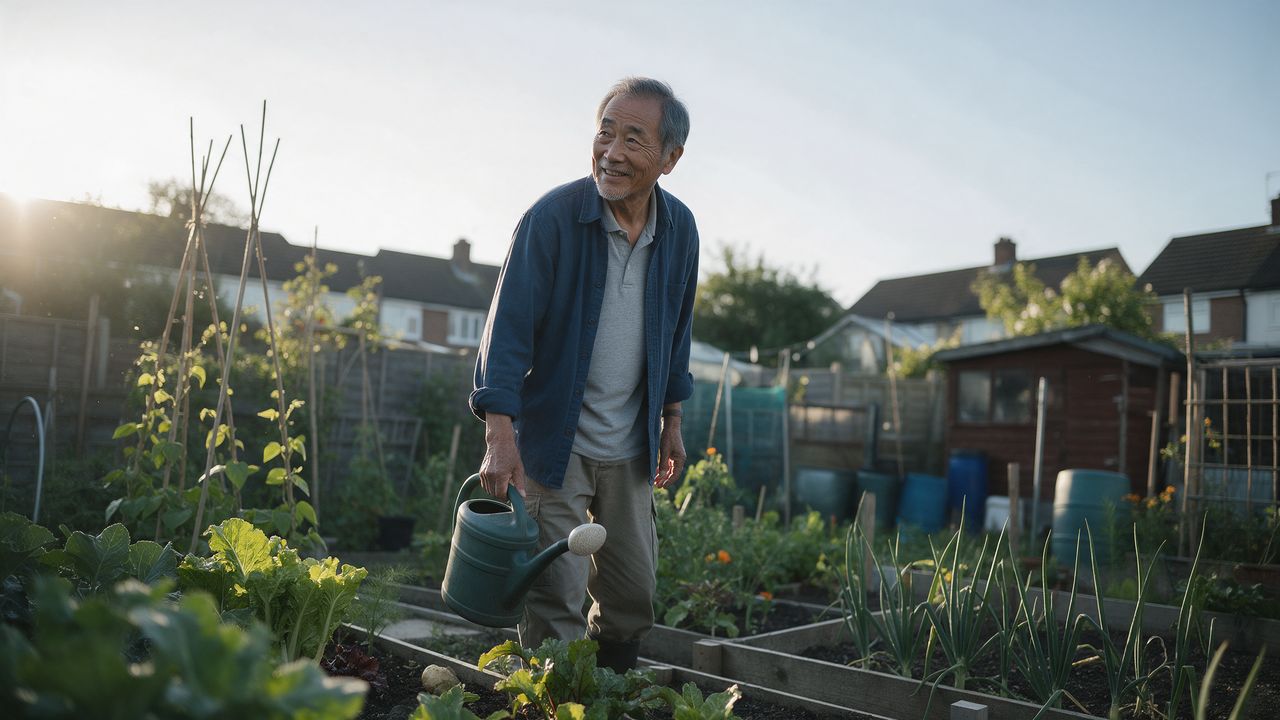
In Japan, the word is used in a fairly everyday way. Your ikigai might be your grandchildren, your garden, your morning walk with a friend, the bowl of noodles you make every Saturday, or the satisfaction of doing your job carefully. It doesn't have to be grand, and it certainly doesn't have to earn you money. Neuroscientist Ken Mogi, who has written about ikigai, stresses that it's often found in small joys rather than one big life purpose.
Where the diagram came from
The four-circle diagram is a Western invention. Author Marc Winn published it in a 2014 blog post, adding the word ikigai to an existing "purpose" diagram. He has since said himself that it doesn't represent the Japanese concept. It's a useful career-planning tool, but it puts a lot of pressure on work to provide all of life's meaning.
The Japanese idea is gentler. You can have several ikigai, and they can sit entirely outside work.
Why it matters for wellbeing
A sense of meaning is good for you. Martin Seligman, the founder of positive psychology, includes it as one of the five pillars of wellbeing in his PERMA model, alongside positive emotion, engagement, relationships and accomplishment.
There's also striking evidence from Japan itself. A large study in Miyagi Prefecture, led by Toshimasa Sone and published in 2008, followed over 40,000 adults for seven years. People who said they had ikigai were less likely to die during that time, particularly from heart disease, than those who said they didn't. That doesn't prove ikigai caused the difference, but it fits a wider body of research linking a sense of purpose with better health.
Finding your own
Rather than trying to find one perfect purpose, try noticing what already gives your days value. These questions can help.
What do you look forward to? Think about a normal week. Which moments do you anticipate with pleasure, however small?
When do you lose track of time? Activities that fully absorb you often point to something that matters.
What would you miss most? If you imagine a part of your life disappearing, which loss stands out?
Who do you do things for? For many people, ikigai is bound up with other people: children, partners, friends, colleagues, a community.
What strengths do you enjoy using? Seligman and his colleague Christopher Peterson identified character strengths, such as curiosity, kindness, humour and creativity. Using your strengths often feels meaningful in itself.
Ikigai at work, and beyond
Work can certainly be part of your ikigai. Many people find meaning in the craft of what they do, the people they work with or the difference they make to customers. But if your job is simply a job, that's fine. Ikigai might be in your evenings, your weekends or your relationships.
A reflection to try
Take ten minutes and write down five things, big or small, that made last week worth living. They might include a conversation, a meal, a moment in the garden, a job well done. Next to each one, write why it mattered. Then look at your coming week and make sure at least two of those things are in it.