
Relationships, meaning and purpose
Doing things just for fun
Why play and hobbies matter for adults, and how to start one.
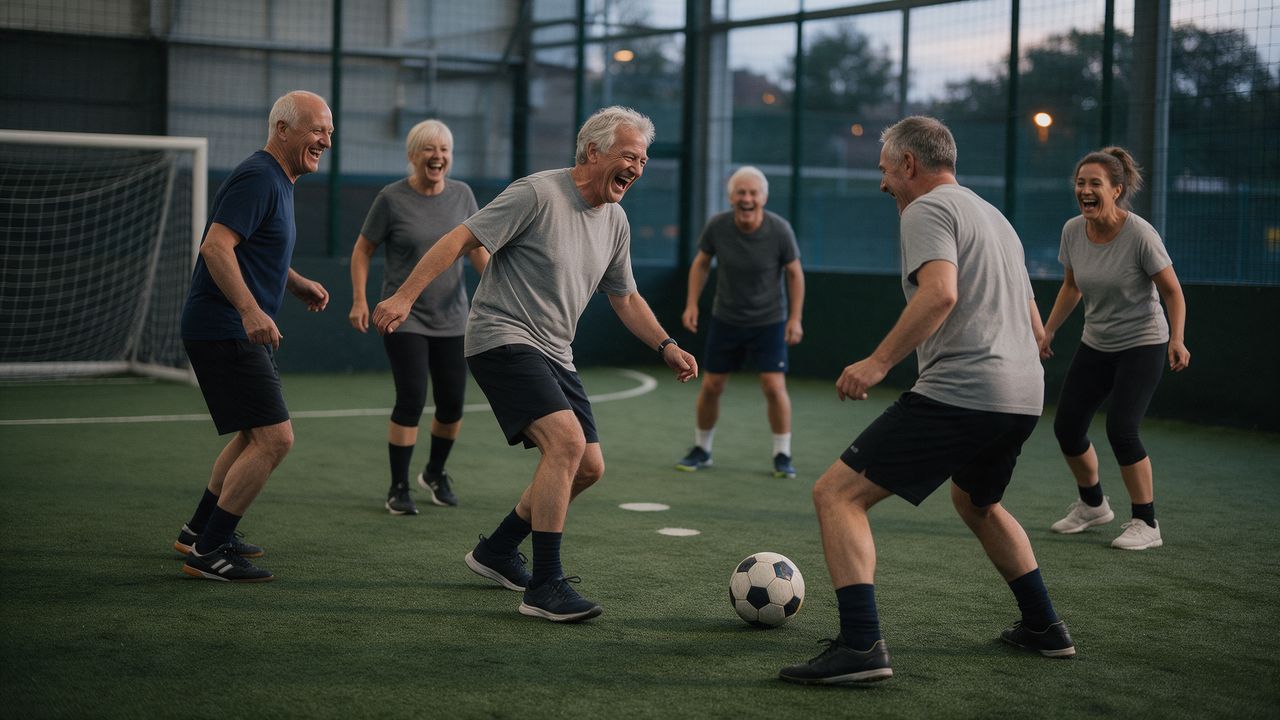
When did you last do something purely because you enjoyed it? Not to get fitter, not to learn a skill for your CV, not to tick something off a list. Just because it was fun.
For a lot of adults, the honest answer is "I can't remember". Somewhere between childhood and the mortgage, play gets filed under things we'll do when everything else is done. And everything else is never done.
Fun is good for you
Psychiatrist Stuart Brown, who founded the National Institute for Play in the US, interviewed thousands of people about their lives. He came to believe that play isn't a luxury for adults but something closer to a need. People who'd lost play from their lives often described feeling flat, rigid or joyless, even when things were going well on paper.
Martin Seligman, the founder of positive psychology, includes engagement in his model of wellbeing: the experience of being fully absorbed in what you're doing. Hobbies and play are one of the most reliable ways adults get that feeling, especially if their work doesn't provide it.
What "true fun" looks like
Author and science journalist Catherine Price has researched what she calls "true fun": the experiences people remember as the most enjoyable of their lives. She found three ingredients kept coming up together:
- Playfulness: a light-hearted attitude, where the result doesn't matter much.
- Connection: feeling close to other people, or sometimes to nature or an activity.
- Flow: being so absorbed that you lose track of time.
Most of the moments people remembered as genuinely fun involved other people. Scrolling, by contrast, almost never made the list, even though it's how many of us spend our free time.
Why we don't do it
Yale psychologist Laurie Santos often points out that we're poor at predicting what will make us happy. At the end of a long day, the sofa and a screen seem like the obvious choice. Joining a five-a-side game or going to a pottery class sounds like effort. But when people actually try the more active option, they usually enjoy it more than they expected, and feel better afterwards.
Other things get in the way too: feeling too old, worrying about being bad at something, or feeling guilty about time spent on yourself. It's worth remembering that being bad at a hobby is often part of the fun.
Finding something to try
If you're not sure where to start, think back to what you loved doing at around ten years old. Building things? Drawing? Being outside? Making up stories? Playing team sports? Those early interests are often a good clue.
You might also ask:
- What do I find myself watching other people do and think, "I'd like to try that"?
- What did I used to do before life got busy?
- Who would I like to spend more time with, and what could we do together?
Some ideas people often enjoy rediscovering: board games, dancing, cooking something new, choirs and singing groups, walking football, crafts, gardening, musical instruments, swimming in open water, amateur dramatics, quiz nights and local sports leagues.
A cosy kind of play
The Danish idea of hygge is a good companion to fun. It's about warmth, small pleasures and enjoying time together. A games night at home, a long dinner with friends or baking on a rainy Sunday all count. Fun doesn't have to be adventurous.
Book it in
Fun has a habit of being squeezed out, so treat it like any other appointment. Choose one thing to try in the next fortnight, ideally with someone else, and put it in your diary. Don't worry about whether it's the right hobby. The point is to find out.
Your fun audit
Look back at the past month and list anything you did that felt genuinely fun. If the list is short, that's your answer. Pick one thing to add this month and protect it as carefully as you would a work meeting.