
Energy, sleep and recovery
Looking after yourself when you look after others
Recovery strategies for working carers, including respite and asking for help.
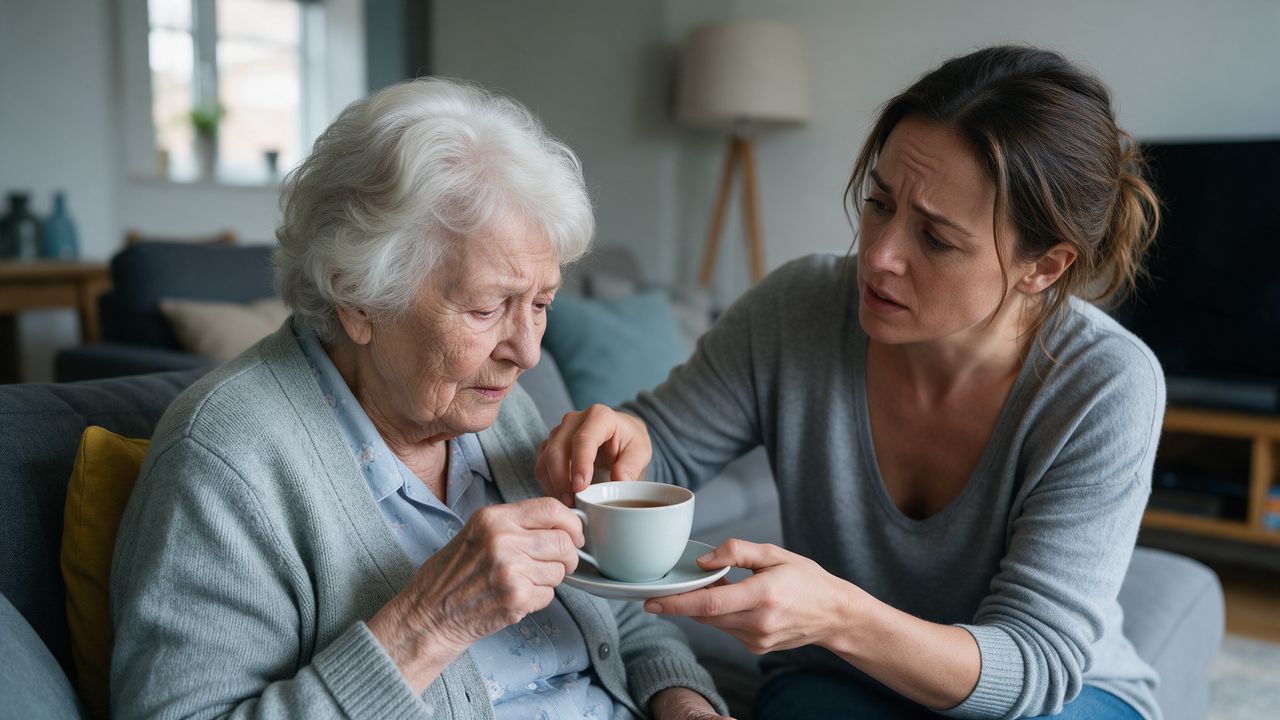
You finish work, drive to your mum's, sort out her tablets, make her tea, deal with a call from the pharmacy and get home at nine. Then there's your own house, your own family and an early start tomorrow. You can't remember the last time you did something just for yourself.
Millions of people in the UK look after a partner, parent, child, relative or friend who is ill, disabled, elderly or struggling with their mental health, or has an addiction. Many do it alongside a job. Many don't think of themselves as carers at all. They're just "helping out".
But caring is demanding, and carers often put their own health last.
Recognising you're a carer
If you regularly help someone with things they can't manage alone, such as personal care, medication, shopping, appointments, paperwork or emotional support, you're a carer. Recognising this matters, because it opens the door to support you may not know you're entitled to.
The cost of caring
Carers are more likely than others to report poor physical and mental health. Common experiences include:
- exhaustion and broken sleep
- stress, anxiety and low mood
- feeling isolated or cut off from friends
- money worries, especially if you've cut your working hours
- guilt, resentment or grief, often all at once
These feelings are normal. They don't mean you're doing a bad job, or that you don't care.
Why connection matters
Yale psychologist Laurie Santos often highlights research showing that social connection is one of the most reliable sources of wellbeing. Carers are often the ones who lose it first. Visits get cancelled, hobbies drop away and friendships fade.
Berkeley psychologist Dacher Keltner has studied compassion for many years. Caring for others is a deep human instinct, and it can be meaningful. But sustained caring with no support can lead to what's sometimes called compassion fatigue, where you feel emotionally drained and numb. Being cared for yourself, by friends, family or other carers, helps restore the balance.
Small ways to look after yourself
Protect your sleep. If your nights are disrupted, look for ways to catch up, such as a rest when someone else is around, or sharing night-time duties.
Take short breaks every day. Even ten minutes with a cup of tea in the garden, a walk round the block or a phone call with a friend helps.
Keep one thing that's yours. A weekly class, a regular coffee with a friend, a football match. Guard it.
Accept help. When people say "let me know if there's anything I can do", give them something specific: a lift to an appointment, an hour's sitting, a meal.
Look after your own health. Keep your own GP appointments. Tell your GP you're a carer, so they can take it into account.
Know your rights and support
In the UK, carers have rights that many don't know about.
- Carer's assessment. You have the right to ask your local council for an assessment of your own needs as a carer, whatever your situation. It can lead to practical help, like respite breaks.
- Carer's leave. Since April 2024, employees in Great Britain who care for a dependant have had the right to up to one week of unpaid carer's leave each year.
- Flexible working. You can request flexible working from your first day in a job.
- Financial support. You may be entitled to Carer's Allowance or other benefits. Carers UK and Citizens Advice can help you check.
I am because we are
The Southern African idea of ubuntu, often summed up as "I am because we are", is a reminder that caring shouldn't be a solo job. Communities, families and workplaces all have a part to play, and asking for help is part of that.
This week
Do one thing for yourself that you'd normally put off, and ask one person for one specific piece of help. If you haven't already, look into a carer's assessment from your local council.
Where to get support Carers UK has a free helpline on 0808 808 7777 and can advise on your rights and benefits. Carers Trust and local carers' centres offer practical and emotional support. If you're struggling to cope, speak to your GP, or call Samaritans free on 116 123, any time.