
Women's health
Going back to work after maternity leave
Rebuilding routines and confidence and managing guilt, with a phased return plan.
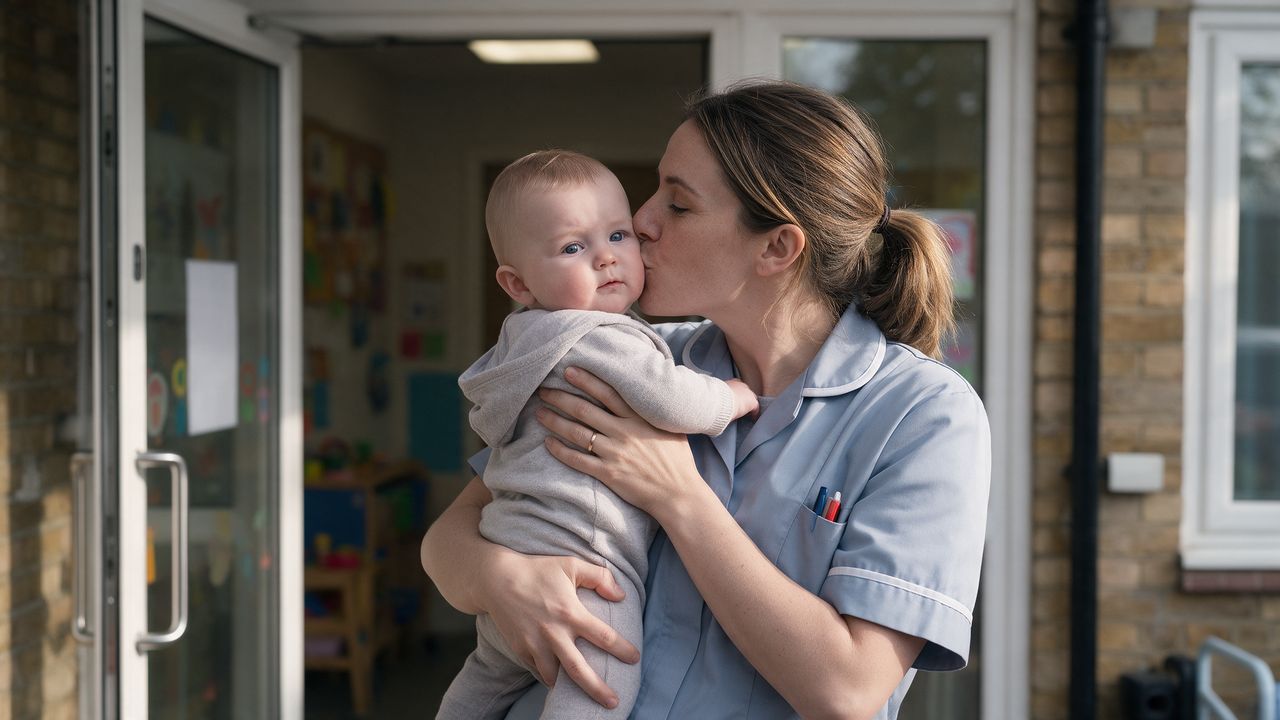
It's the night before you go back. The bag's packed, nursery is booked and your work clothes are hanging on the door, though they don't quite fit the way they used to. You're excited to have adult conversations again, terrified about leaving your baby, worried you've forgotten how to do your job and already exhausted.
Going back to work after maternity leave is a big transition. Mixed feelings are completely normal.
Before you go back
Use your keeping in touch days. In the UK, you can work up to ten "keeping in touch" days during maternity leave without ending your leave or losing your maternity pay. They can be a gentle way to catch up on changes, meet new colleagues and get back into the swing of things. They're optional, and they have to be agreed by both you and your employer.
Talk to your manager before your return date. Discuss what's changed, what your first few weeks will look like and any flexibility you need.
Do a trial run. Practise the morning routine, the nursery drop-off and the commute a week or two before you start.
Think about a phased return. Some people use annual leave they've built up during maternity leave to go back on shorter weeks at first.
Your rights
- Your job. If you return after 26 weeks or less, you have the right to go back to the same job. If you take longer, you have the right to the same job or, if that's not reasonably practicable, a similar one on terms that are no less favourable.
- Flexible working. You can ask for flexible working, such as different hours or working from home, from day one of employment. Your employer must consider it reasonably.
- Redundancy protection. Since April 2024, protection from redundancy has been extended. If your role is at risk, you must be offered a suitable alternative vacancy, if there is one, before other colleagues. This protection now lasts until 18 months after your baby's birth.
- Breastfeeding. If you're breastfeeding, tell your employer in writing. They must provide somewhere suitable to rest, and should carry out a risk assessment. Guidance from the Health and Safety Executive recommends they also provide a private, clean space for expressing milk and somewhere to store it.
Rebuilding confidence
Many women worry they've lost their edge, especially if things have changed while they were away. It's very common to feel like an imposter for the first few weeks.
Martin Seligman, the founder of positive psychology, and his colleague Christopher Peterson identified character strengths, such as perseverance, organisation, kindness and humour. Becoming a parent often builds strengths you can bring back to work, like patience, prioritising and staying calm under pressure. Think about what you're good at, and look for early chances to use it.
Building new routines
The first weeks are often chaotic. Children tend to pick up every bug going at nursery, and sleep may still be broken.
Habit researcher Wendy Wood has found that habits become easier when they're tied to stable cues, like the same time and place. Setting up simple routines, such as getting bags ready the night before, a fixed bedtime, or batch-cooking on Sundays, can make mornings less of a scramble.
When things go wrong, and they will, just go back to the routine the next day. One chaotic morning doesn't undo anything.
The guilt
Many parents feel guilty: for leaving their child, for not being fully focused at work, for being glad to be back, for not being glad to be back. The Japanese idea of wabi-sabi finds beauty in imperfection. There's no perfect way to combine work and parenthood, and children don't need perfect parents. They need parents who love them and come back.
Look after yourself
- Accept help with childcare, chores or meals if it's offered.
- Talk to other parents who've been through it.
- Be realistic about how much you can do in your first few months.
- Watch for signs of postnatal depression, which can develop at any time in the first year, and speak to your GP or health visitor if you're feeling low.
Before you go back
Write down three things you're good at that you want to bring back to work, and three practical things that would make your first week easier. Share the practical list with your manager or partner.
Where to get support Maternity Action offers free advice on your rights at work. Working Families can help with flexible working. If you're feeling low or anxious, speak to your GP or health visitor. PANDAS Foundation supports parents with perinatal mental health.