
Energy, sleep and recovery
Better nights during the menopause
How night sweats, hormones and anxiety disrupt sleep, and what helps.
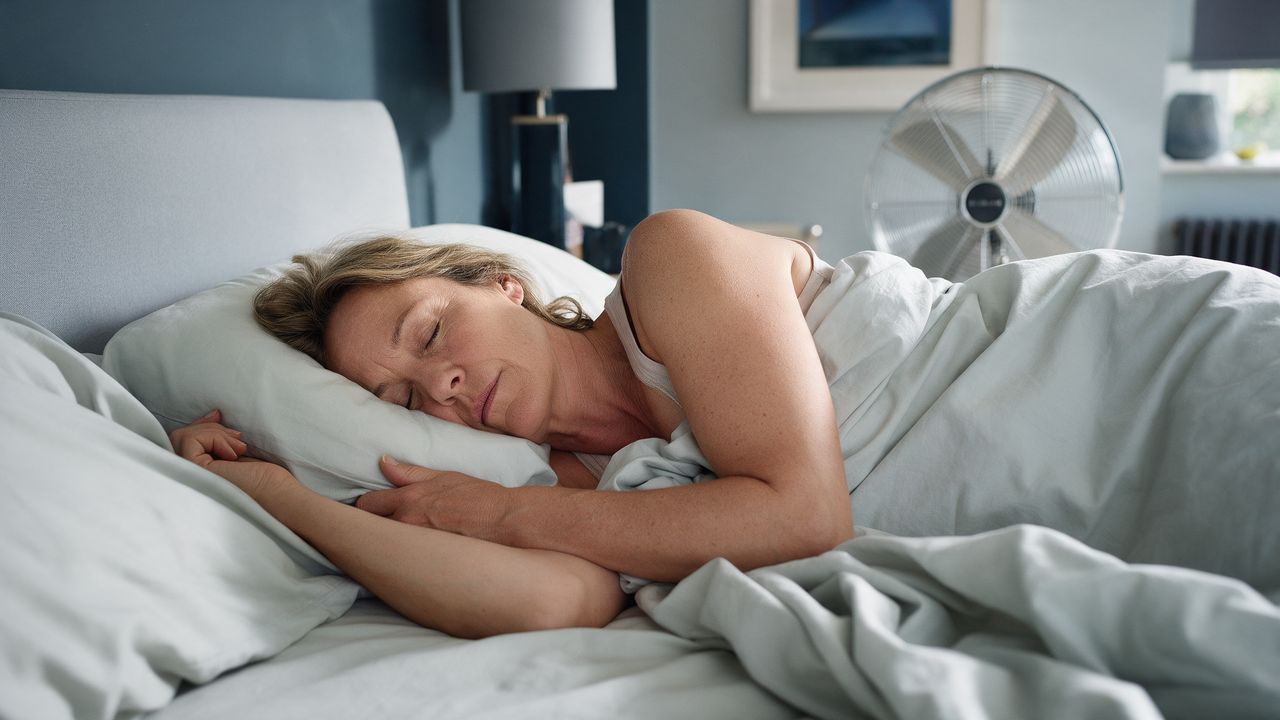
You fall asleep easily enough. Then, at some point after midnight, a wave of heat rises through your chest and face, and you wake up drenched. You throw the duvet off, lie there wide awake, start to feel cold, pull it back on, and by the time you've settled the alarm is about to go.
Poor sleep is one of the most common, and most underestimated, parts of perimenopause and menopause. Many women say it's the symptom that affects them most, because it makes everything else harder to cope with.
Why sleep changes
Several things tend to happen at once.
Night sweats and hot flushes. Falling and fluctuating oestrogen affects the part of the brain that controls body temperature. It becomes more sensitive to small changes, triggering sudden heat, sweating and then chills.
Hormones and sleep itself. Oestrogen and progesterone both influence sleep. Progesterone has a mildly calming effect, so as levels drop, some women find it harder to fall or stay asleep.
Anxiety and low mood. These are common in perimenopause and can make it harder to switch off at night, or lead to waking early with racing thoughts.
Needing the loo. Changes to the bladder and pelvic floor can mean more trips to the bathroom at night.
Sleep apnoea. The risk of this condition, where breathing repeatedly stops and starts during sleep, rises after the menopause. Loud snoring, gasping or feeling exhausted despite a full night in bed are worth mentioning to a GP.
Keep the bedroom cool
Sleep scientist Matthew Walker, at the University of California, Berkeley, explains that the body needs to cool down slightly to fall asleep and stay asleep. That's even more important when hot flushes are in the mix.
- Aim for a bedroom temperature of around 16 to 18°C.
- Use layers of light bedding rather than one heavy duvet, so you can adjust quickly. Couples sometimes use separate duvets of different weights.
- Choose breathable fabrics such as cotton, or nightwear designed to wick moisture away.
- Keep a glass of cold water and a fan by the bed.
- Keep a spare top nearby, so a night sweat doesn't mean a full change.
Spot your triggers
Some women find certain things make flushes more likely or more intense, particularly in the evening. Common ones include alcohol, caffeine, spicy food, hot drinks close to bedtime, and stress. Keeping a simple diary for a couple of weeks can help you see whether any of these apply to you.
Protect the basics
Walker describes sleep as the foundation for nearly every aspect of health, from mood to memory. During the menopause, when sleep is under pressure, the basic habits matter more than ever.
- Get up at the same time every day, including weekends. This keeps your body clock steady even when nights are broken.
- Get daylight in the morning, ideally outside.
- Keep the last hour before bed calm and screen-light.
- Move regularly during the day, but avoid vigorous exercise in the couple of hours before bed if it leaves you hot.
If you're lying awake
If you've been awake for what feels like twenty minutes, get up and do something calm in dim light, then go back to bed when you feel sleepy. Slow breathing, with a longer out-breath than in-breath, can help with both flushes and anxiety.
Treatment can help
Many women put up with poor sleep for years without realising that effective help is available. Hormone replacement therapy (HRT) is the most effective treatment for hot flushes and night sweats, and for many women it improves sleep too. NICE guidance also recommends cognitive behavioural therapy (CBT) for menopause symptoms, including sleep problems and night sweats. There are non-hormonal medicines as well for those who can't or don't want to take HRT.
Your GP can talk through the options, and the risks and benefits, based on your own health.
This week
Swap your duvet for lighter layers, put a fan and cold water by the bed, and start a two-week diary of your sleep and any triggers you notice. Then take it to your GP if things aren't improving.
Where to get support Speak to your GP or practice nurse about menopause symptoms, including sleep. The British Menopause Society and its patient arm, Women's Health Concern, have reliable information about treatments. If you snore heavily or stop breathing in your sleep, mention this too.