
Relationships, meaning and purpose
What belonging to a community does for you
Clubs, faith groups, neighbourhoods and online communities, and how to get involved.
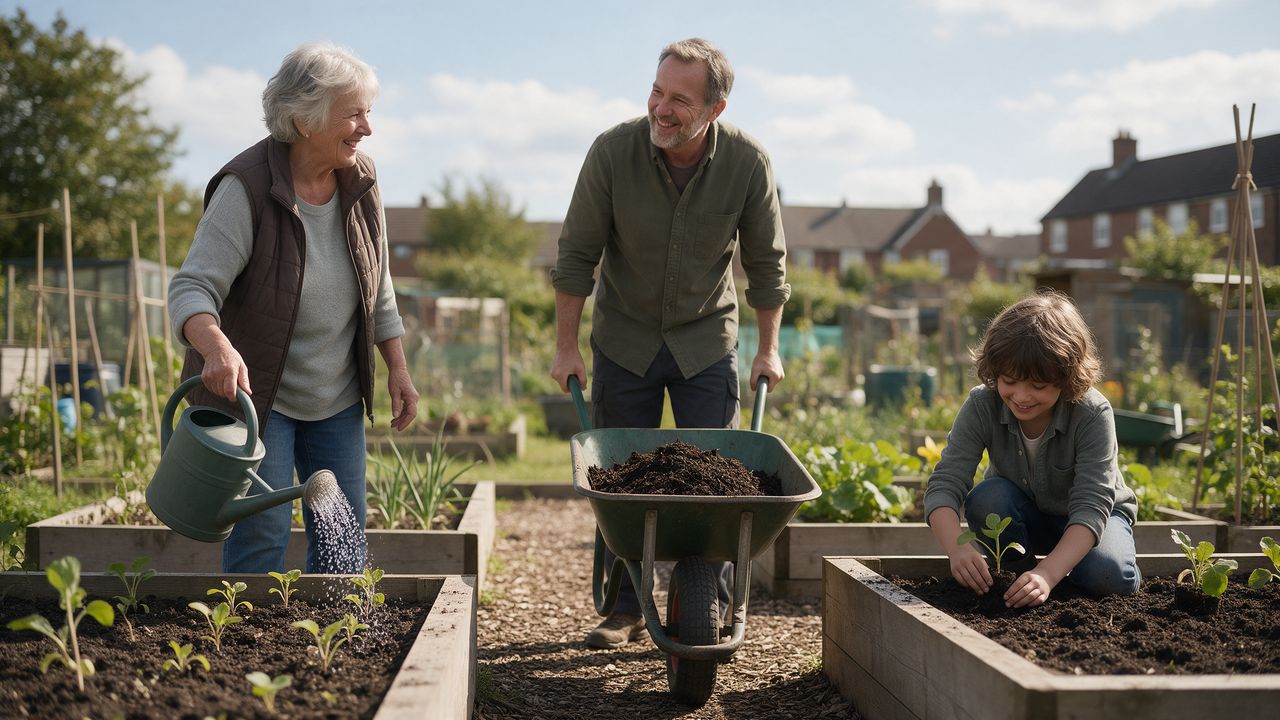
The Tuesday night choir. The park run on Saturday mornings. The mosque, church or temple. The allotment association, the five-a-side team, the knitting group, the online forum for people who restore old bikes. The neighbours who all know each other's names.
These are communities: groups of people connected by a place, an interest, a belief or a shared experience. Belonging to one, or several, turns out to matter a great deal for our wellbeing.
A world with fewer communities
In his 2000 book Bowling Alone, American political scientist Robert Putnam described how membership of clubs, societies, unions, churches and other community groups had fallen sharply in the US since the 1960s. He argued that this loss of what he called "social capital", the networks of relationships and trust that hold communities together, had real consequences for health, happiness and civic life.
Many of the same trends have been seen in the UK. People move more often, work longer hours, commute further and spend more time at home on screens. It's easier than ever to go weeks without feeling part of anything.
Why belonging matters
Yale psychologist Laurie Santos often highlights research showing that social connection is one of the most reliable sources of happiness, and one we tend to underestimate. Martin Seligman, the founder of positive psychology, lists relationships as one of five core parts of wellbeing.
Communities offer something slightly different from close friendships. They give us:
- a sense of belonging, of being part of something bigger than ourselves
- familiar faces, people we recognise and who recognise us
- purpose, through shared goals or helping others
- support, practical and emotional, when things go wrong
- routine, a regular reason to leave the house and see people
Doing things together bonds people quickly
Some shared activities seem to bring people together particularly fast. In a 2015 study, Eiluned Pearce, Jacques Launay and Robin Dunbar at the University of Oxford followed people joining adult education classes. Those in singing classes felt close to their classmates much more quickly than those in classes such as crafts or creative writing. The researchers called it the "ice-breaker effect".
Singing, dancing, team sports and other activities where people move or act in time together seem especially good at building a sense of connection.
Different kinds of community
Neighbourhood. Street parties, residents' associations, community gardens, local litter picks. These connect you to the place you live.
Interest groups. Clubs, classes, sports teams, choirs, book groups, hobby groups. These connect you through something you enjoy.
Faith communities. For many people, places of worship offer belonging, purpose, support and a regular rhythm to the week.
Volunteering. Helping at a food bank, a charity shop, a hospice or a youth group connects you with others who care about the same things.
Online communities. These can be a lifeline, especially for people with rare interests or conditions, or who can't easily get out. They tend to work best alongside some in-person connection, rather than instead of it.
I am because we are
The Southern African idea of ubuntu, "I am because we are", sums up why communities matter. It sees people as defined by their connections to others. For most of us, belonging is part of what makes life feel meaningful.
Getting involved
If you're not part of a community, starting can feel daunting. A few tips:
- Think about what you enjoy, what you care about, or what you'd like to learn.
- Look at local noticeboards, your library, your council's website or social media groups for your area.
- Choose something that meets regularly. Seeing the same people again and again is what builds connection.
- Go at least three times before deciding whether it's for you. The first time is always the most awkward.
- Offer to help. Groups always need volunteers, and helping is a quick way to get to know people.
This month
Find one local group or activity that meets regularly and interests you. Go along, and commit to going three times.