
Stress and mindfulness
Ten ways to be mindful without meditating
Bringing mindful attention to showering, washing up and listening.
Not everyone wants to sit still with their eyes closed. And not everyone has the time. The good news is that mindfulness doesn't have to mean meditation. It's simply paying attention to what you're doing while you're doing it, and that can happen in the shower, at the sink or on the bus.
Psychologists sometimes call this informal practice. Here are ten ways to try it.
- Take one shower properly. Notice the temperature of the water, the sound it makes, the smell of the soap. When your mind starts planning the day, bring it back to the water on your shoulders.
- Drink the first cup slowly. Before you take a sip of your morning tea or coffee, hold the mug for a moment. Feel the warmth. Smell it. Take the first three sips without doing anything else.
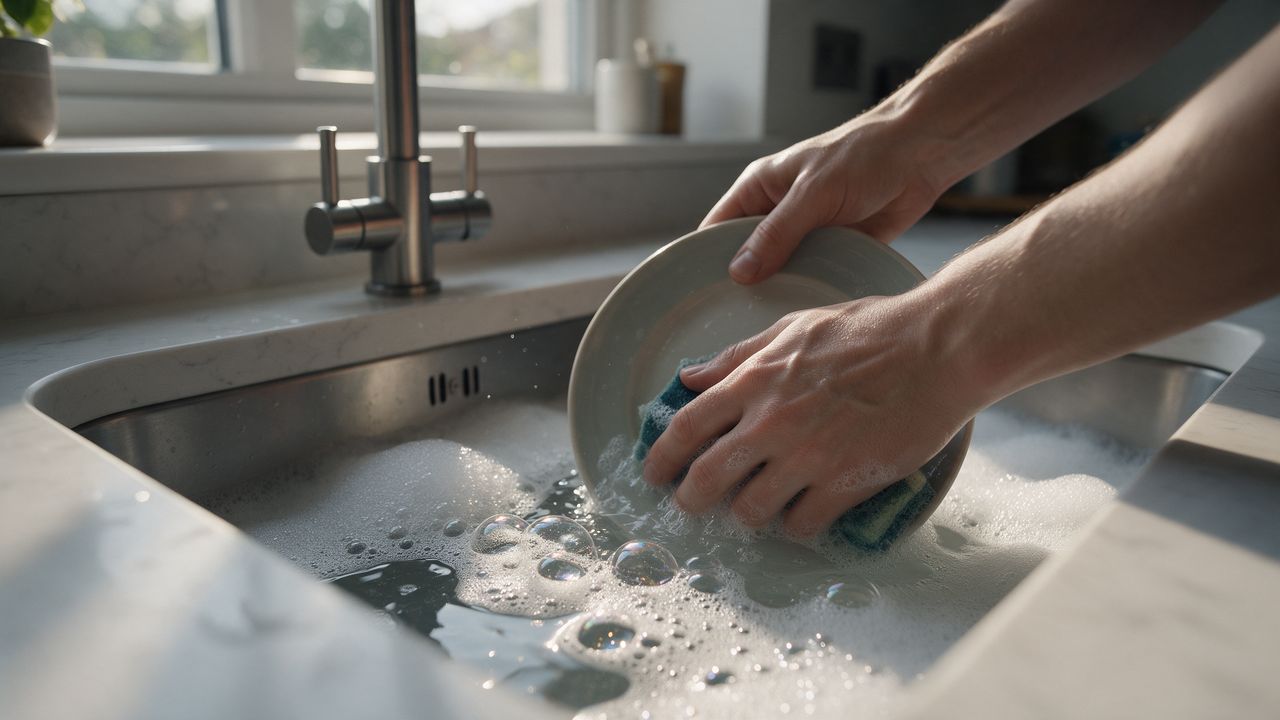
- Wash up by hand. Washing up is surprisingly good for this. There's warm water, bubbles, the weight of each plate. Do one sink-full without the radio on and see what you notice.
- Listen to someone without planning your reply. Next time a friend or colleague is talking, try to listen to the whole of what they say before you start working out your answer. People can usually tell the difference.
- Walk one stretch slowly. Pick a short part of a route you take every day, like the walk from the car park to the office. For that stretch only, notice your feet hitting the ground, the air on your face and what you can hear.
- Eat the first few mouthfuls without a screen. You don't need to eat the whole meal in silence. Just give the first few bites your full attention: the taste, the texture, how hungry you actually are.
- Notice three things on your commute. Look for three things you haven't seen before. A new shop sign, a tree changing colour, someone's ridiculous dog. It's harder than it sounds on a route you know well.
- Pause at doorways. Use the act of walking through a door as a cue to take one slow breath and notice how you're feeling, before you go into the next room or meeting.
- Savour something good. When something pleasant happens, like sunshine through the window or a funny message from a friend, stop for a few seconds and let yourself enjoy it rather than moving straight on.
- Do one job at a time. Choose one task today, even a small one like replying to an email, and do only that. No second tab, no phone, no half-listening to a podcast.
Why savouring matters
Psychologist Sonja Lyubomirsky, at the University of California, Riverside, has studied which everyday activities make a lasting difference to happiness. Savouring is one of them. It involves deliberately noticing and holding on to good moments, and it's been studied for years by psychologists including Fred Bryant.
Lyubomirsky has also written about hedonic adaptation: the way we get used to good things until we hardly notice them. The nice coffee, the comfortable home and the view from the window all fade into the background. Paying attention to them again is one way of getting some of that pleasure back. It's also why it helps to vary which of these practices you use, so they don't become automatic too.
A bit of hygge
The Danish idea of hygge is relevant here. It's about cosiness, small comforts and being present with them: a candle, a warm drink, a good blanket, people you love. Many of the practices on this list are hygge in spirit. They don't ask you to add anything to your day, just to notice what's already there.
Make one of them a habit
BJ Fogg, a behaviour scientist at Stanford, suggests attaching new habits to existing ones: "After I ___, I will ___". Pick one of the ten and anchor it. "After I pour my coffee, I'll take three slow sips before I look at my phone." "After I switch the tap on, I'll notice the water for ten seconds."
Start with just one. Once it feels natural, which could be a couple of weeks, add another.