
Energy, sleep and recovery
Coming back from holiday without losing the benefit
Tips for switching off on holiday and easing back into work afterwards.
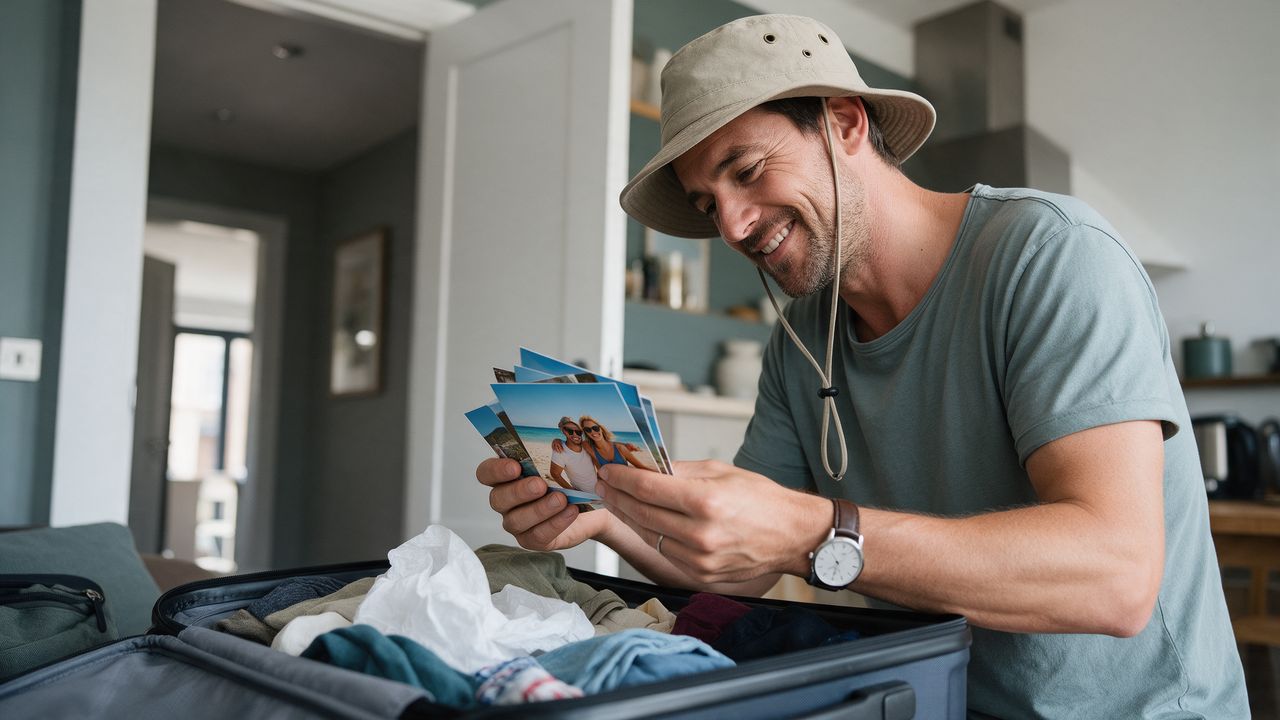
You spent a week by the sea. You slept well, read three books and felt properly relaxed for the first time in months. Then you got back to 400 unread emails, a crisis on a project and a diary full of meetings. By Wednesday, it was as if the holiday had never happened.
Holidays are good for us. The frustrating part is how quickly the benefits seem to disappear. But there are ways to make them last longer.
How long the benefit lasts
Researcher Jessica de Bloom and her colleagues in the Netherlands have studied holidays and wellbeing in detail. Their research found that holidays do improve health and wellbeing, but the effects tend to fade quickly once people return to work, often within a few weeks and sometimes within days.
That doesn't mean holidays aren't worth it. It means how you go and how you come back both matter.
Before you go
Look forward to it. In a 2010 study, Jeroen Nawijn and colleagues found that people were happier in the weeks before a holiday than people who weren't going away, largely because of anticipation. Planning and looking forward to a break is part of the benefit.
Hand over properly. Tell colleagues what's in progress, who to contact and what can wait. The more you hand over, the less you'll worry.
Set a clear out-of-office. Say when you're back and who to contact in the meantime. You could also say that emails sent while you're away won't be read, and ask people to resend anything important after your return.
Don't cram. It's tempting to work late every night before you go. Try to finish at a reasonable time, so you don't start your holiday exhausted.
While you're away
Switch off as much as you can. Checking email "just quickly" keeps your mind half at work. If you really need to check in, agree a set time, like ten minutes once a day, and stick to it.
Do things you enjoy. It sounds obvious, but research on holidays and wellbeing suggests that people who spend time doing things they enjoy, feeling relaxed and having some control over their time tend to get more out of their break.
Yale psychologist Laurie Santos often talks about "time affluence", the feeling of having enough time. A holiday is one of the few times many people feel time-rich. Try to protect at least some unstructured time, rather than filling every day with plans.
Coming back
End on a high. Psychologist Daniel Kahneman showed that we remember experiences mostly by their most intense moment and by how they end. He called this the peak-end rule. A holiday that ends with a stressful dash to the airport and a midnight unpacking session can be remembered as more stressful than it was. If you can, build in a relaxed final day.
Leave a buffer day. Coming home a day before you go back to work gives you time to unpack, shop, do the washing and rest.
Start midweek. If you can, return on a Wednesday or Thursday rather than a Monday. A shorter first week is much easier.
Block time for catching up. Keep your first morning free of meetings so you can work through your inbox and catch up with colleagues.
Triage your emails. Start with messages from your manager and key colleagues. Search for anything marked urgent. Many older emails will have been dealt with by others, or will no longer need a reply.
Keeping the holiday feeling
- Hold on to one holiday habit, such as an evening walk, reading before bed or eating breakfast slowly.
- Look through your photos at the end of the first week back.
- Plan your next break, even if it's just a long weekend. Anticipation helps.
- Take shorter breaks more often. Research suggests that regular time off, rather than one big annual holiday, may help keep stress lower through the year.
Before your next holiday
Put a buffer day in your diary for when you get back, and keep your first morning back free of meetings.